10 Balanced Breakfast Ideas With Nutrients Linked to Brain Health
These breakfasts combine protein, whole grains, produce and healthy fats. Their ingredients may support steady energy, while evidence for brain benefits varies.
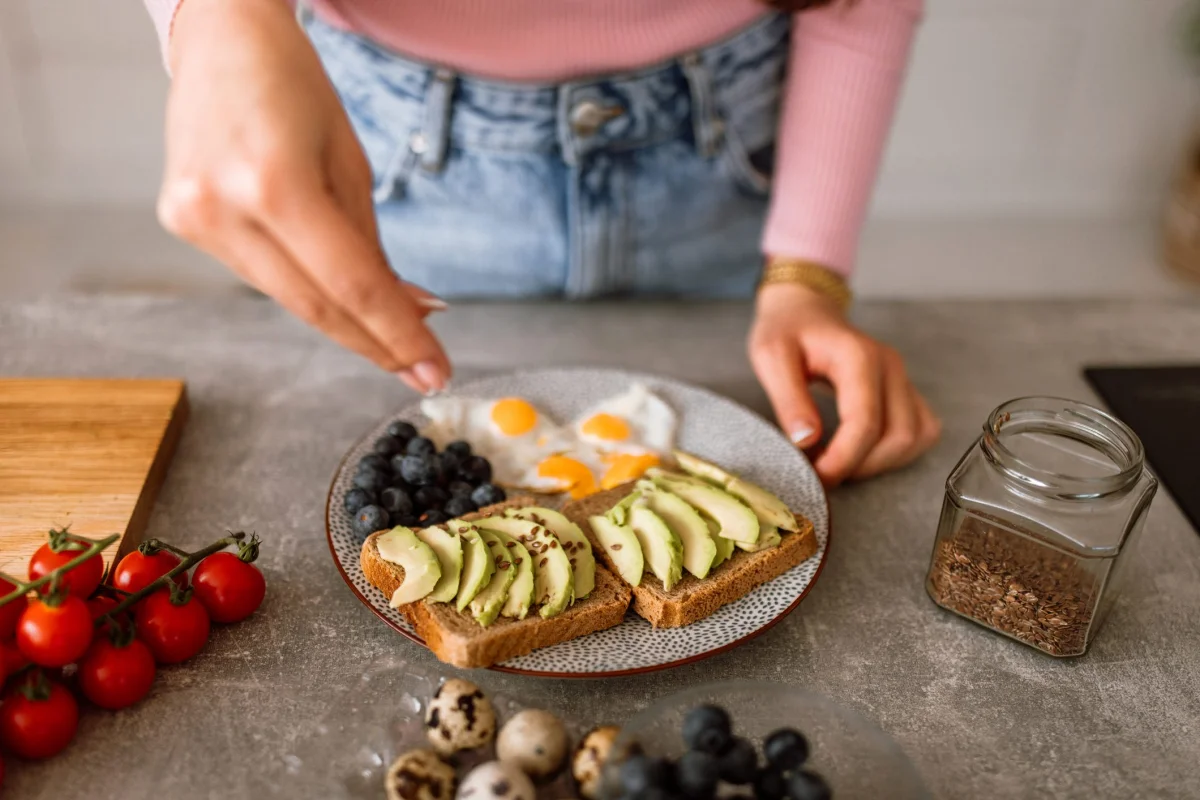
Breakfast can be a practical place to bring together foods associated with brain health, but no single meal can guarantee better memory or prevent cognitive decline. The ideas here pair protein, carbohydrates, produce and healthy fats—ingredients that can make a meal more filling and provide a range of nutrients.
Danielle Hoover, a registered dietitian, suggests building a plate with about half fruits and vegetables, one quarter protein and one quarter whole grains, then adding healthy fats such as avocado, olive oil or nuts. That’s a flexible guide, not a requirement for every breakfast. Appetite, access to ingredients and personal health needs all affect what works.
Ten breakfast combinations to try
1. Salmon and eggs with vegetables
Salmon supplies omega-3 fatty acids, while eggs provide choline, a nutrient involved in normal brain function. Research has explored links between omega-3 intake and cognitive health, and choline is also being studied for its possible role in cognition. These findings don’t establish that this breakfast prevents cognitive decline. Add fiber-rich vegetables for more variety and staying power; leafy greens, tomatoes or leftover vegetables can all fit.
2. Berry, beet and chia smoothie
Blend berries, cooked or prepared beets, chia seeds and a liquid of choice for a quick option. Berries contain plant compounds with antioxidant activity, and research has examined whether berry intake may relate to inflammation and cognitive aging. Those studies don’t show that a smoothie treats or prevents Alzheimer’s disease. Chia adds fiber and fats, and yogurt or another protein-containing ingredient can make the drink more sustaining.
3. Whole-grain toast with yogurt and greens
Top whole-grain bread with protein-rich yogurt and leafy greens for a savory breakfast that makes vegetables easier to include. Whole grains provide carbohydrates, while greens contribute vitamins and other plant compounds. The combination is a useful way to add variety to the morning meal; it shouldn’t be read as a proven way to improve brain performance.
4. Oatmeal with walnuts
Oats offer whole-grain carbohydrates and fiber. Hoover points to oatmeal as a source of steady energy and notes that B vitamins contribute to normal body functions, including processes related to the nervous system. Top a bowl with walnuts for their omega-3 fats, plus fruit for sweetness. Evidence about individual nutrients doesn’t show that eating this bowl will change mood or cognition in a predictable way.
5. A breakfast pizza with eggs and spinach
Use a whole-grain base, if available, and top it with egg, spinach, ham and cheese. The egg and cheese add protein, while spinach adds vegetables. This is one way to make familiar ingredients into a more balanced meal. Ham and cheese can contain substantial sodium, so people managing a health condition may want to discuss suitable choices with a clinician or dietitian.
6. Matcha latte alongside breakfast
Matcha is made from powdered green tea leaves and contains caffeine, as well as plant compounds including L-theanine. Research has examined these compounds in relation to alertness and thinking, but responses to caffeine vary. A latte is a drink, not a complete breakfast, so pair it with food such as oats, yogurt or eggs. Anyone who is pregnant, sensitive to caffeine or taking medicines affected by caffeine can ask a clinician or pharmacist what amount is suitable for them.
7. Chia pudding with citrus and coconut
Chia seeds thicken when soaked, making them an easy base for a make-ahead pudding. Add fresh citrus and coconut for flavor. Chia contains fiber and omega-3 fats, but that nutrient profile alone doesn’t establish a direct brain benefit. Pair the pudding with yogurt or another protein source if you want a more filling meal.
8. A quinoa breakfast bowl
Leftover quinoa can anchor a bowl with greens, vegetables, fruit and a protein of choice. Quinoa contains all nine essential amino acids, which the body needs to get from food. Its versatility makes it a convenient way to use ingredients already on hand. The particular nutrients in a bowl will depend on its toppings.
9. Yogurt with nuts, berries and orange zest
Combine yogurt with nuts and berries, then add orange zest, cardamom and a little flaky salt. Yogurt contributes protein; fruit and nuts add texture, fiber and fats. This mix can make breakfast both convenient and varied. The available evidence supports considering these foods as part of an eating pattern, rather than expecting one serving to sharpen concentration all morning.
10. Egg tacos with black beans and spinach
Fill tortillas with eggs, black beans, spinach and cilantro. Beans add protein and fiber, and the vegetables bring additional plant nutrients. Choose a whole-grain tortilla when that suits your preferences. The ingredients can contribute to a balanced meal, though claims about specific anti-inflammatory or brain effects should be kept in proportion to the evidence.
What the evidence can—and can’t—tell us
Studies on foods such as berries, fish, eggs and tea examine possible relationships between nutrients and brain function. The source research includes findings described as associations and studies of individual nutrients; it doesn’t establish that these ten meals prevent dementia, delay cognitive decline or improve memory. A reported association between caffeine and cognitive outcomes also doesn’t prove that caffeine itself caused the difference.
Packaged breakfasts can be convenient, but some provide little protein or fiber and contain added sugar or refined grains. Reading labels and adding fruit, yogurt, nuts or eggs can help make a meal more filling. The useful takeaway is variety: combine foods from several groups in ways that fit your routine. If you have a condition that affects diet, or questions about caffeine, supplements or medicines, a doctor or pharmacist can help put general nutrition information in context.