12 Dermatologist-Recommended Cleansers for Mature Skin
Dermatologists explain what to look for in a mature-skin cleanser, with 12 picks for dry, sensitive, combination, and oily skin.
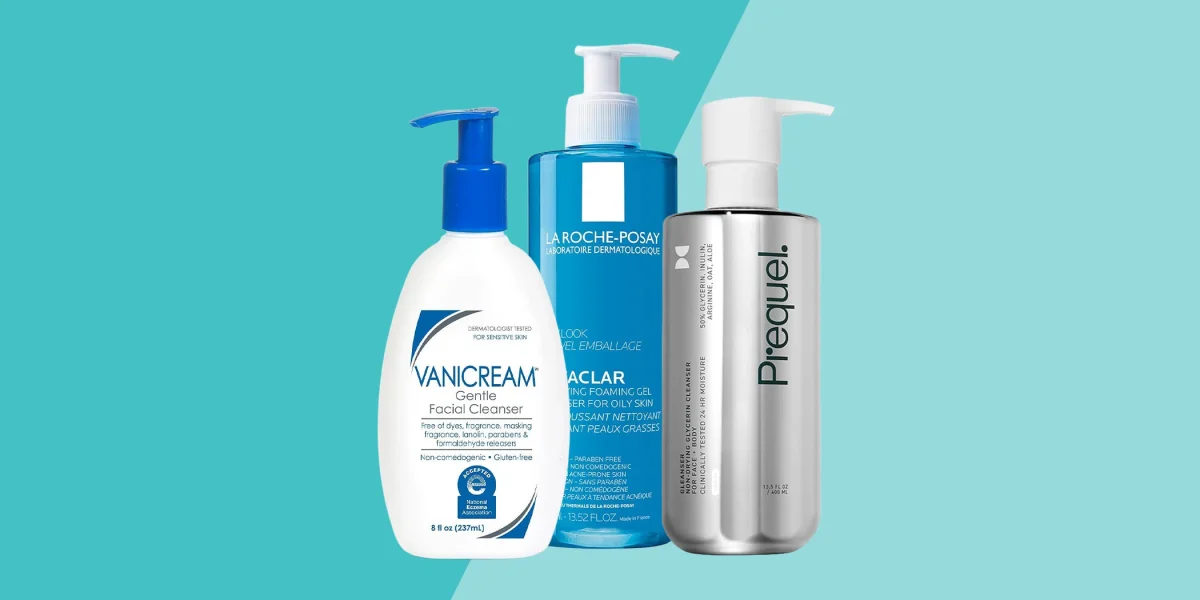
For mature skin, a face wash should remove the day’s buildup without leaving the skin tight or uncomfortable. Dermatologists say that balance matters because skin can become drier and more sensitive with age, and a cleanser that disrupts its moisture barrier may make those concerns harder to manage.
Cleansing also prepares skin for the rest of a routine. It removes dirt, oil, makeup, sunscreen, and environmental pollutants, helping leave the skin clean before other products go on. That doesn’t mean a face wash will erase fine lines or reverse visible signs of aging: its main job is to clean while respecting the skin’s needs.
Dermatologists Marisa Garshick, M.D., of Manhattan Dermatology and Cosmetic Surgery, Azadeh Shirazi, M.D., of La Jolla Dermatology & Laser Surgery Center, and Mina Amin, M.D., F.A.A.D., of California Dermatology Specialists, shared guidance on choosing a formula. The selections below cover different textures and skin concerns. Product reviews and editor experiences offer additional perspectives, but individual reactions can vary.
What to look for in a cleanser
Ingredients that support hydration and the skin barrier are useful starting points. Glycerin and hyaluronic acid are humectants: they attract water and help skin hold on to moisture. Ceramides help support the barrier, while oils and ingredients such as squalane can add a more conditioning feel. These ingredients don’t guarantee a product will suit everyone, but they can help guide a search for a gentler wash.
Some cleansers also contain ingredients aimed at other concerns. Green tea and other antioxidants are included to help protect and soothe skin. Exfoliating ingredients such as glycolic acid, lactic acid, and enzymes can help lift dead skin cells and improve the look of uneven texture. Peptides may be included in skin care products aimed at supporting collagen, though a cleanser is rinsed away and shouldn’t be treated as a wrinkle treatment.
More active ingredients can also mean more chance of irritation, especially for skin that’s already dry or reactive. Abrasive scrubs, harsh soaps, alcohol, and fragrance may bother some people. If a cleanser causes persistent burning, redness, or discomfort, it may not be a good match. People with a skin condition or specific concerns can ask a dermatologist for advice suited to their needs.
Options for dry or sensitive skin
Ceramide and green tea gel-to-foam cleanser. This formula combines ceramides, which help support the skin barrier, with green tea antioxidants. Garshick says it removes oil without leaving skin feeling stripped; Amin also highlights its barrier-supporting qualities. The gel-to-foam texture may appeal to people who prefer a lather but want a more comfortable after-feel. One reviewer said their skin felt clean and smooth without tightness, and appreciated the pump bottle.
Kiehl’s cream-to-foam cleanser. Squalane and glycerin give this cleanser a moisturizing profile, while mild amino acid surfactants create a creamy lather. It’s fragrance-free and dermatologist-tested. An editor said it works well as a second cleanse after removing sunscreen with micellar water, leaving skin feeling clean without a stripped sensation. That experience is personal; people who wear makeup or sunscreen may find their preferred cleansing routine differs.
Skinfix gentle gel cleanser. Ceramides, sterols, and fatty acids are included to replenish lipids found in the skin’s protective barrier. Ectoin and glycerin support hydration, while a light foam lifts everyday buildup, makeup, and sunscreen. It’s an option for people who like a foaming wash but want a formula designed with moisture in mind. A reviewer described softer-feeling skin after use, though one person’s results can’t predict another’s.
La Roche-Posay milky cleanser for sensitive skin. This non-foaming formula has nine ingredients and is made for dry, sensitive, and allergy-prone skin. Glycerin supports hydration as the creamy texture lifts everyday impurities and makeup. The product is fragrance-free and allergy-tested. One reviewer noted that the cleanser leaves a slick feel during rinsing, but said their skin felt clean rather than oily after drying. A milk cleanser’s finish may feel unfamiliar if you’re used to a foaming wash.
Prequel Gleanser. Glycerin makes up 50% of this formula, which is designed to attract and retain moisture while cleansing away dirt and excess oil. Oat extract, aloe, and inulin add soothing ingredients. The fragrance-free wash has earned the National Eczema Association’s Seal of Acceptance and can also be used as a body wash. A reviewer with dry, sensitive skin said it felt hydrating and removed their daily sunscreen. If you have eczema or use prescription skin treatments, a clinician or pharmacist can help you assess whether a product fits your routine.
CeraVe hydrating cleanser. Garshick points to ceramides and hyaluronic acid as reasons this formula may suit dry skin: they support the barrier and help retain moisture. Amin also recommends it as an option for dry or sensitive skin that needs cleansing without losing moisture. It’s accepted by the National Eczema Association. A commerce editor with dry, sensitive skin said the cleanser left their face feeling refreshed without a dry or flaky after-feel. Acceptance and positive reviews don’t rule out an individual reaction.
Cetaphil gentle cleanser. Garshick describes this affordable option as suitable for all skin types, including sensitive skin. It removes makeup, dirt, and excess oil, and is made without fragrance, dyes, parabens, formaldehyde, and other preservatives named in the source. A reviewer with mature, sensitive skin said it left their face soft and hydrated. The source reports a 4.7-star rating from more than 30,000 Amazon shoppers; customer ratings reflect experiences, not clinical evidence.
Choices for combination or oily skin
Neutrogena Hydro Boost cleanser. Garshick says this lightweight, fragrance-free gel is suited to combination skin. Hyaluronic acid helps support hydration, and the cleanser foams without leaving an oily residue or clogging pores, according to her assessment. One reviewer said it was comfortable for their sensitive skin when used twice daily. If washing twice a day leaves your skin dry or irritated, frequency is worth reconsidering.
La Roche-Posay cleanser for oily skin. Zinc pidolate is included to target excess oil and shine, while niacinamide is intended to help regulate oil production and nourish the skin barrier. Shirazi says it may suit oily skin prone to breakouts, offering a thorough cleanse without harshness. A shopper reported less oil and fewer breakouts after a month of use. That’s one person’s account, not proof that the product will clear acne or work for everyone.
Exfoliating and richer-texture options
Reale Actives exfoliating gel cleanser. Lipohydroxy acid, a derivative of salicylic acid, and willow bark extract are intended to help remove dead skin cells and excess oil and improve the appearance of pores. Glycerin, resveratrol, and fermented rice extract round out the formula. It’s designed with sensitive, acne-prone skin in mind, but people with particularly dry or reactive skin may prefer to introduce it gradually. An editor with oily skin said it gave a deeper-clean feeling when used about once a week, alongside hydrating serums.
Kate Somerville exfoliating cleanser. Glycolic and lactic acids, plus papaya, pineapple, and pumpkin enzymes, exfoliate the skin’s surface as the creamy formula cleanses away dirt, oil, and makeup. The brand says it’s gentle enough for daily use, but that doesn’t mean daily use will suit every complexion. Those with sensitive skin, or anyone already using retinoids or other exfoliating products, may want to check with a dermatologist about combining them. One long-term user with sensitive skin described it as gentle, but personal tolerance varies.
Tatcha cleanser for combination to dry skin. Hyaluronic acid and red algae help replenish moisture, while Japanese rice powder gently purifies. Its amino acid base is pH-neutral, and the cream lathers into a rich foam. A reviewer with sensitive skin said it left their face feeling smooth and reported less redness. That report doesn’t establish that the cleanser reduces redness for others. The price may also be a consideration for a product used regularly.
Colleen Rothschild cleansing balm. This buttery balm melts away makeup, dirt, and daily buildup. Moringa, flaxseed, marula, and black seed oils are included to soften and condition skin. It comes with a muslin cloth that can be dampened with warm water to remove the balm. An editor said the formula removed makeup without leaving their skin tight. Balm cleansers can be a useful alternative for people who find foaming washes too drying, though the richer texture may not suit everyone.
Choosing a routine that fits
Garshick recommends cleansing at night to remove makeup, sunscreen, and the day’s buildup. A morning wash can fit some routines, but people with dry or sensitive skin may choose to skip it if their skin feels better that way. There’s no single frequency that suits everyone; notice how your skin feels and whether a formula leaves it comfortable afterward.
When comparing products, consider both the ingredients and the texture. A cream, milk, or balm may feel more comfortable for dry skin, while a gel may appeal to people who prefer a lighter wash. Foaming doesn’t automatically mean a cleanser will be harsh, and “hydrating” on a label doesn’t guarantee a perfect match. Reviews can help describe texture and ease of use, but they can’t predict how your skin will respond.
The dermatologists’ recommendations and product reviews informed this selection, alongside editor experiences. The practical takeaway is simple: choose a cleanser that removes what you need it to remove and leaves your skin feeling comfortable. For persistent irritation, breakouts, or a skin condition, a dermatologist can help narrow down the options.