Daily Nut Intake Linked to Lower Hypertension Risk in a Large Review
A review of studies involving nearly 150,000 people linked about 30 to 35 grams of nuts a day with lower hypertension risk, but didn’t prove cause and effect.
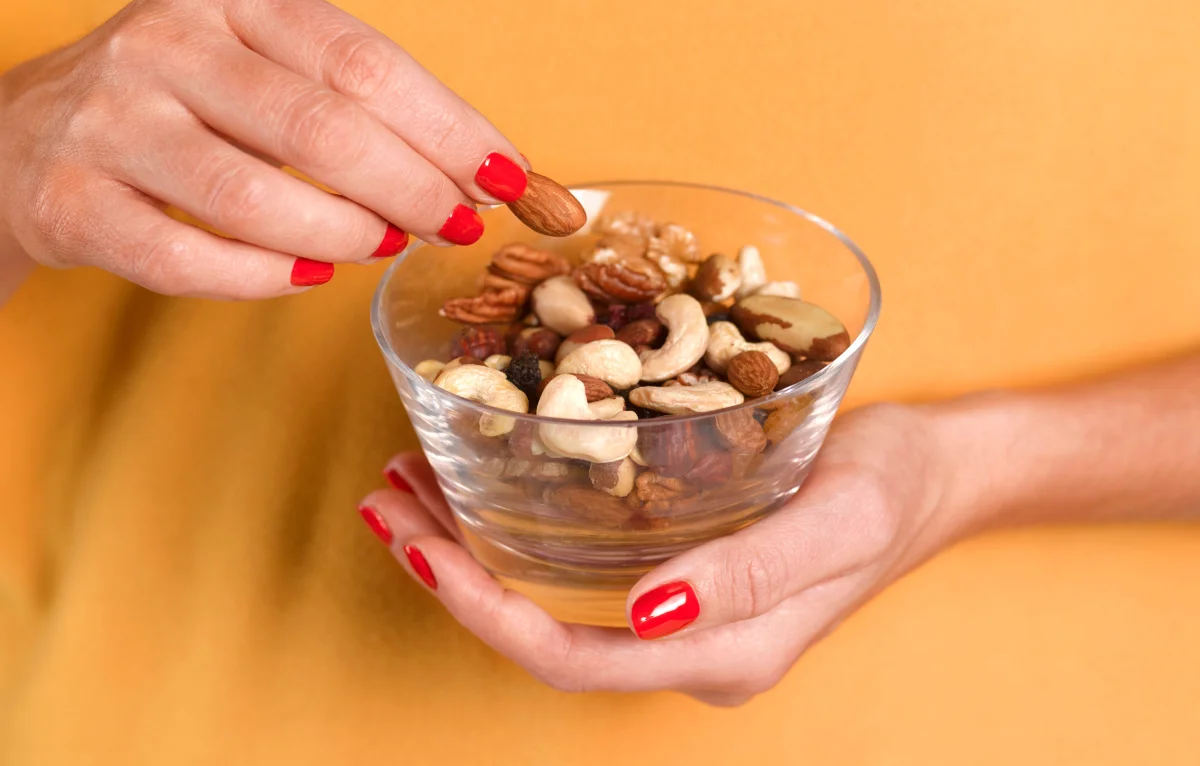
A small daily portion of nuts was linked to a lower risk of developing high blood pressure in a review of studies involving nearly 150,000 people. The association was strongest around 30 to 35 grams a day, roughly a small handful. The finding adds to evidence on diet and heart health, but it doesn’t show that nuts themselves prevent hypertension.

The research, published in the British Journal of Nutrition, was a systematic review and dose-response meta-analysis of prospective studies. It compared participants’ reported nut intake with later hypertension diagnoses. People in the group eating the most nuts were 16% less likely to develop hypertension than those eating the least. The lowest risk in the analysis appeared among people consuming 30 to 35 grams daily: their risk was 26% lower than that of people who ate no nuts.
What the results can tell us
The pattern suggests that a moderate serving may be enough to fit into a heart-conscious eating routine. The analysis did not find that eating ever larger amounts brought steadily greater benefit; the association tended to level off above the 30 to 35 gram range. That makes a modest portion a practical point of reference, though the study doesn’t establish a specific amount that will lower an individual’s blood pressure.
Melissa Mroz-Planells, a registered dietitian nutritionist and spokesperson for the Academy of Nutrition and Dietetics, says nuts combine unsaturated fats, fiber, plant protein, magnesium and potassium. These nutrients can support cardiovascular health as part of a wider eating pattern. A snack is also a relatively contained change for people who find a major overhaul of their eating habits difficult to sustain.
That said, the research design matters. Prospective studies follow people over time, and a meta-analysis combines results from multiple studies. Those methods can identify a relationship between a habit and a health outcome, but they can’t by themselves show that one caused the other. People who eat nuts regularly may differ in other ways, such as their broader diet or daily routines, and those differences could partly account for the observed pattern.

The researchers also did not distinguish among individual nut varieties in the reported findings. So the analysis can’t tell readers whether one type is better for blood pressure than another. Nor does the article report whether the nuts participants ate were salted. Cheng-Han Chen, an interventional cardiologist and medical director of the Structural Heart Program at MemorialCare Saddleback Medical Center, points out that this detail matters because excess salt can raise blood pressure.
Ways nuts may fit into meals
For people who already enjoy nuts and can eat them safely, they can be included in different meals and snacks. Mroz-Planells suggests adding almonds or walnuts to oatmeal, sprinkling chopped pistachios on a salad, or pairing a small portion with fruit. These are examples of ways to include nuts, not a treatment plan or a guarantee of lower blood pressure.
Different varieties offer different nutrients. Walnuts provide plant-based omega-3 fatty acids, while almonds and pistachios contain nutrients such as magnesium and potassium. Mroz-Planells’ general advice is to choose a variety that’s enjoyable, affordable and easy to include regularly, rather than searching for a single “supernut.” Peanuts and other nuts can also fit into a heart-conscious diet.
Allergies are an important exception: nuts aren’t suitable for people who need to avoid them. Anyone unsure how a food choice fits with their health needs, allergies or current care can discuss it with a doctor or dietitian.
Put one food in the wider picture
Nuts are only one part of the diet and lifestyle factors that can affect blood pressure. Chen says excess salt, sugar and fat are associated with high blood pressure, while eating fruits, vegetables and whole grains can support blood pressure control. Regular physical activity, avoiding tobacco and alcohol, maintaining a healthy weight, getting good-quality sleep and managing stress may also play a role.
Dietary approaches such as the DASH diet involve broader eating patterns. The nut findings don’t show that a daily serving can replace those approaches, prescribed treatment or routine blood pressure checks. People managing hypertension should discuss changes to their eating habits or care with a health professional, particularly if they have other medical needs.
The clearest takeaway is modest: in this review, eating about a small handful of nuts a day was associated with lower hypertension risk, while larger amounts didn’t appear to add a clear advantage. It’s a useful research signal, not proof of prevention. Future research that accounts for nut type, salt content and other lifestyle differences could help clarify what the association means for blood pressure.