Stress Relief Gifts for Sleep, Relaxation, and Everyday Comfort
From weighted blankets to soothing scents, these gifts offer a range of ways to build small moments of calm into daily routines.
Relaxation is personal, so a useful stress relief gift starts with how someone likes to unwind. The 20 picks here range from simple sensory comforts to sleep and skin care products, with options for different budgets and routines. They may help make downtime feel more restorative, though no gift can guarantee better sleep or ease stress for everyone.
Comfort for tired feet and busy hands
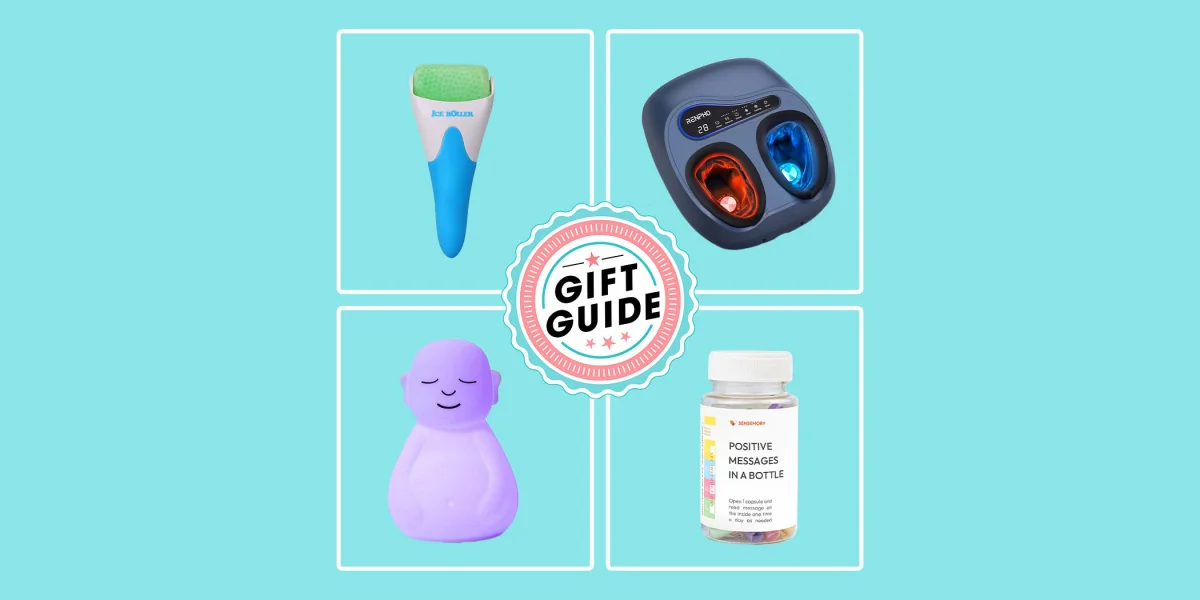
A Renpho foot massager pairs deep-kneading nodes with compression, heat, cooling, and adjustable intensity settings. It’s designed to soothe tired feet and provide a massage at home. Bombas Sunday Slippers offer a softer, lower effort kind of comfort: the cushioned slippers are an editor favorite and were also selected for arch support.
For someone who likes keeping their hands occupied, the NeeDoh Dream Drop can be squeezed, stretched, and squished, then returns to its shape. It works much like a stress ball and may provide a tactile distraction during a busy day. A zen garden kit offers a quieter activity, with white sand, six wooden rakes, stacking stones, and miniature cherry blossom trees. The kit can also serve as a decorative object.
A Lululemon yoga mat may suit someone who already enjoys yoga or wants a comfortable surface for practice. Associate Commerce Editor Hannah Jeon describes its grip and cushioning as reasons she likes it. Yoga can be one way people make space for movement and relaxation, but the mat itself is a practical accessory rather than a treatment for stress.
Sleep and nighttime routines
Weighted blankets are often chosen for the feeling of gentle pressure and may help some people relax at bedtime or while resting on the couch. Jeon likes Bearaby’s chunky-knit blanket, made from organic cotton; she says it feels soft and breathable and is easy to wash. Experiences with weighted blankets vary, so comfort and personal preference matter.
For a darkened, calmer sleep environment, the Nodpod sleep mask uses gentle weight and blocks light. It has two sides, one intended to feel cool and the other warm. A sound machine or a pillow spray can also be part of a bedtime routine. The featured spray blends lavender, chamomile, and vetivert, scents commonly used in products intended to create a calming atmosphere.
Hatch’s Restore 3 combines sleep sounds with a sunrise alarm that gradually brightens to wake the user. The newer version also includes contactless tracking of breathing and movement from the nightstand. Jeon, who has used an earlier Hatch clock, said she appreciated tracking sleep without wearing a ring, band, or watch. Sleep tracking can offer information about patterns, but it isn’t a diagnosis.
Other sleep-focused gifts include lavender-infused weighted plush toys that can be warmed before use, and a beauty sleep kit with magnesium-infused hair wash, body balm, and body spray. These products are aimed at making a bedtime routine feel more soothing; their descriptions don’t establish that they treat anxiety or sleep disorders. Anyone whose sleep problems persist may want to discuss them with a health professional.
Small rituals for skin and senses
Medicube face masks are formulated with PDRN, described in the product listing as salmon DNA, and low-molecular collagen. The masks are marketed to hydrate skin, support elasticity, and promote a smoother-looking complexion. Under-eye patches from Grace & Stella contain hyaluronic acid and are intended to cool and hydrate delicate skin. Contributing editor Dori Price says she likes that they stay in place and leave her eyes looking refreshed.
A Shark red light therapy mask is a higher-cost skin care option. It combines red, blue, and deep infrared light with cooling under the eyes, and is designed to address fine lines and skin firmness. An editor has tested the device, but a product description alone can’t show how well it will work for any individual. People with skin concerns or questions about light-based devices can ask a dermatologist or pharmacist whether a product suits them.
For a simpler sensory ritual, the Rare Beauty aromatherapy pen dispenses a fast-absorbing gel with a minty-floral scent. Its silicone tip is designed to massage the temples, neck, or area behind the ears. A diffuser offers another way to add scent to a room; the featured model has several mist modes, seven LED colors, and six essential oils. Fragrance preferences and sensitivities differ, so these gifts are best matched to someone who already enjoys scented products.
A breathing and meditation light uses a gradual fade-in and fade-out to guide paced breathing. It also has multiple color settings and is small enough for a nightstand. The Apollo Neuro wearable takes a different approach, using gentle, low-frequency vibrations intended to stimulate the vagus nerve and support resilience to stress. Sue Kakstys, an editor who tested it, said its sleep vibrations helped her manage sleep issues. That personal account doesn’t establish a general health benefit, and people considering a device for ongoing symptoms can discuss it with a clinician.
At-home spa comforts
A Parachute cotton-terry robe is designed to absorb moisture after bathing and comes in several colors. Jeon describes it as soft and cozy. An ice roller, body lotion, or hydrating face mask may also suit someone who finds a skin care routine relaxing. These choices focus on comfort and personal care; they don’t need to promise a health effect to make a thoughtful gift.
For a more hands-on option, an acupressure mat and matching pillow apply pressure through raised points and are marketed for muscle tension, back or neck discomfort, and relaxation. People respond differently to pressure, and anyone with pain or a medical condition can check with a health professional before trying a new device.
The strongest fit is usually the gift that matches the recipient’s habits: warmth, quiet, movement, touch, or a familiar nighttime ritual. Small comforts can make room for a pause in a busy day, while persistent stress, pain, or sleep difficulties deserve a conversation with a doctor or pharmacist.