A Doctor’s Approach to HIV Prevention, PrEP and Sexual Wellness
Dr. Jack O’Brien championed candid sexual health conversations and individualized HIV prevention. Long-acting PrEP adds an option, with testing and follow-up essential.

Dr. Jack O’Brien built his work around a simple idea: people are more likely to discuss sexual health when they feel respected rather than judged. As founding physician of Haven Health in Beverly Hills, he spoke openly about HIV prevention, testing and the everyday concerns that can make care harder to access. He died unexpectedly while this profile was being produced; his family and Haven Health partners gave permission to publish his story in recognition of his work with LGBTQ+ communities. The people interviewed for this sponsored feature were compensated by Gilead.
His approach reflected how much HIV prevention has changed. O’Brien saw some older patients carry fear shaped by earlier decades, while younger patients often had a different outlook. He wanted people to understand that many sexually transmitted infections can be treated or managed with care, and that HIV prevention now includes more than one option. That message matters because stigma can keep people from asking questions, getting tested or finding a prevention plan that fits their lives.
Personal experience shaped his care
O’Brien’s interest in sexual health grew partly from his experience as a gay teenager. He came out at 14 and said his family responded with love, alongside concerns about his safety that reflected the period. As HIV prevention options developed, he said, his own perspective changed. The arrival of pre-exposure prophylaxis, or PrEP, influenced how he thought about reducing the chance of acquiring HIV.
PrEP is prescription medicine taken before possible exposure to HIV. When used as prescribed, it can substantially reduce the chance of acquiring HIV through sex. O’Brien used his own experience to make patient conversations less formal and less intimidating. He raised PrEP with sexually active patients, including people with multiple partners, and made a point of sharing that he, too, had once worried about his HIV risk.
He also remembered how narrow sexual education had been in the small town where he grew up. Lessons largely described sex between a man and a woman and mentioned condoms in the context of pregnancy prevention, with little attention to HIV or other sexually transmitted infections. Later, in medical school, he felt that discussions about possible PrEP side effects did not always reflect what he experienced as a PrEP user. Those gaps strengthened his interest in more candid, practical education.
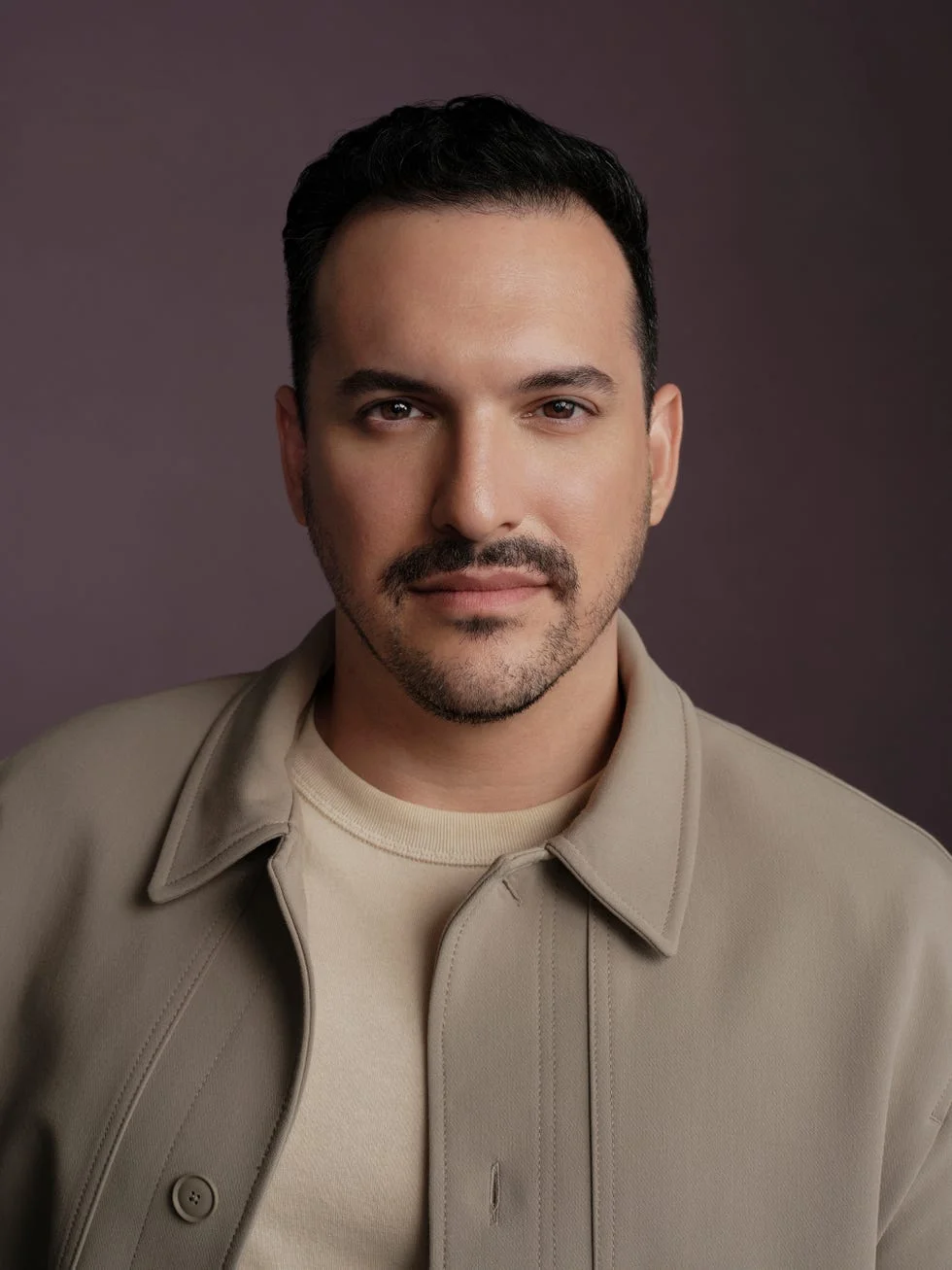
O’Brien’s public advocacy included discussing his own prevention care. He spoke about receiving YEZTUGO (lenacapavir), a long-acting prescription PrEP option, and had previously taken an oral PrEP pill onstage during a World AIDS Day speech in 2017. His aim was to make prevention less hidden and to help people who might not feel comfortable raising the subject themselves.
What long-acting PrEP adds
YEZTUGO is an option for adults and adolescents weighing at least 77 pounds who want to reduce their chance of acquiring HIV through sex. After starter dosing, a health professional gives two injections at one office visit every six months. It is one of several PrEP schedules: other options include daily pills and an injection given every two months.
The less frequent schedule may suit some people who find daily pills difficult to take consistently, have trouble swallowing pills or prefer not to keep medication at home. Those preferences can reflect many circumstances, including concerns about privacy or an unstable living situation. A longer interval between doses can reduce the burden of remembering a daily medication, but it still depends on attending scheduled visits and following the prescribed starter and maintenance schedule.
PrEP choices are individual. O’Brien offered YEZTUGO to patients for whom it might fit their preferences and routines; the profile does not establish that it is the best choice for everyone. A clinician can discuss available approaches, health history, other medicines and the practical demands of each schedule. Anyone considering PrEP should also discuss HIV testing and how to keep testing current.
Before starting YEZTUGO, a person must test negative for HIV. Testing is also required before each injection and at other times as directed by the provider. This is essential because YEZTUGO is intended to prevent HIV and is not a treatment for an existing infection. The source material warns that use in someone with undiagnosed HIV-1 can lead to drug resistance, which may make HIV harder to treat. Some tests may not detect a very recent infection, so people should tell their clinician about a recent flu-like illness or a possible exposure.
Missing scheduled injections or tablets can raise the chance of acquiring HIV. People who think they may have been exposed while using PrEP should contact their healthcare provider to discuss testing and next steps. A provider or pharmacist can also review other medicines, since lenacapavir can remain in the body for up to nine months after the last injection and may affect other medications.
Sexual wellness reaches beyond HIV
PrEP does not prevent other sexually transmitted infections. O’Brien paired conversations about HIV prevention with regular HIV and broader STI testing, and with discussion of condoms and other safer-sex practices. These measures address risks that PrEP does not cover and can form part of a person’s sexual health routine.
His care also looked beyond sexual health. Trained in osteopathic medicine, O’Brien described asking patients about food, sleep, movement and whether they felt happy. The point was to understand the person’s wider health and build trust before moving into more specific or sensitive questions. That whole-person approach can make it easier for patients to explain what they need and to consider options without feeling reduced to a single risk or diagnosis.

O’Brien also used social media to share information on STI testing and sexual health topics that can be overlooked, particularly those affecting gay men. Online education gave him a way to reach people who could not visit his Beverly Hills practice. He spoke about continuing disparities in HIV’s impact, including among Black and Latino communities and people with limited access to care, and saw prevention awareness as work still needing attention.
What the broader PrEP discussion shows
PrEP arrived in 2012, after decades in which HIV treatment had changed the outlook for people living with the virus. The prevention medicine works by stopping HIV from establishing itself in the body when taken according to its prescription. Yet access to an effective option does not guarantee that people can or will continue using it.
The source cites research indicating that many people at increased chance of acquiring HIV stop PrEP within three months of starting. Infectious disease physician Namrata Shah points to daily pill-taking as one potential barrier. Stigma, privacy concerns and unstable housing can also make a daily routine difficult. The article reports more than 38,000 new HIV diagnoses in the United States in 2024, but that figure alone does not show what effect any particular PrEP option has had on diagnoses.
Shah, a co-author of a study on lenacapavir published in The New England Journal of Medicine, described the value of having prevention choices that match people’s circumstances. The article presents YEZTUGO as one such choice, including for people who are not men who have sex with men and may not know a partner’s HIV status. It does not provide the study’s design, participant count or outcome data, so readers should consult the published research and a clinician for evidence about effectiveness and limitations.
For people weighing PrEP, the practical discussion is broader than choosing between a pill and an injection. It includes whether the schedule is manageable, how testing will be kept up, possible side effects and interactions, and other ways to reduce STI risk. The most useful prevention plan is one a person can discuss openly with a healthcare professional and follow over time.
YEZTUGO safety information
YEZTUGO should not be started by someone who has HIV or does not know their HIV status. HIV testing is required before starting, before each injection and as directed by a provider. Tell the provider about a recent flu-like illness, possible HIV exposure or symptoms such as fever, tiredness, muscle or joint aches, headache, sore throat, vomiting, diarrhea, rash, night sweats or enlarged lymph nodes. Some tests may not detect a newly acquired infection.
YEZTUGO does not prevent other STIs and is not approved to treat HIV. If HIV is acquired, other medicines are needed for treatment. Keeping appointments and following the dosing schedule matters; missed injections or tablets can increase the chance of HIV. Condoms and testing for other STIs remain relevant, and a healthcare provider can explain additional prevention approaches.
The most commonly reported side effects include injection-site reactions, headache and nausea. Injection-site effects may include a lump, pain, hardening, swelling, itching, redness, bruising or warmth. Rarely, an incorrectly administered injection can cause serious skin damage or open sores. Patients should tell their provider about side effects that are troublesome or persistent.
Before receiving YEZTUGO, patients should discuss their medical conditions, pregnancy or plans for pregnancy, breastfeeding or plans to breastfeed, and all medicines and supplements they take. Because the drug can remain in the body for up to nine months after the final injection, a current medication list can help a provider or pharmacist check for interactions. The article directs readers to the Important Facts and safety information at Yeztugo.com. Side effects may also be reported through the FDA’s MedWatch program at fda.gov/medwatch or by calling 1-800-FDA-1088.
O’Brien’s legacy in this profile is the way he made prevention part of ordinary healthcare conversation: clearly, personally and without judgment. New options broaden the discussion, while testing, follow-up and attention to sexual health beyond HIV remain central to care.