Kristoffer Polaha on Gaining 25 Pounds for a Film Role and Losing It Afterward
The actor describes the weight gain, discomfort and gradual return to exercise and mindful eating that followed his film role.
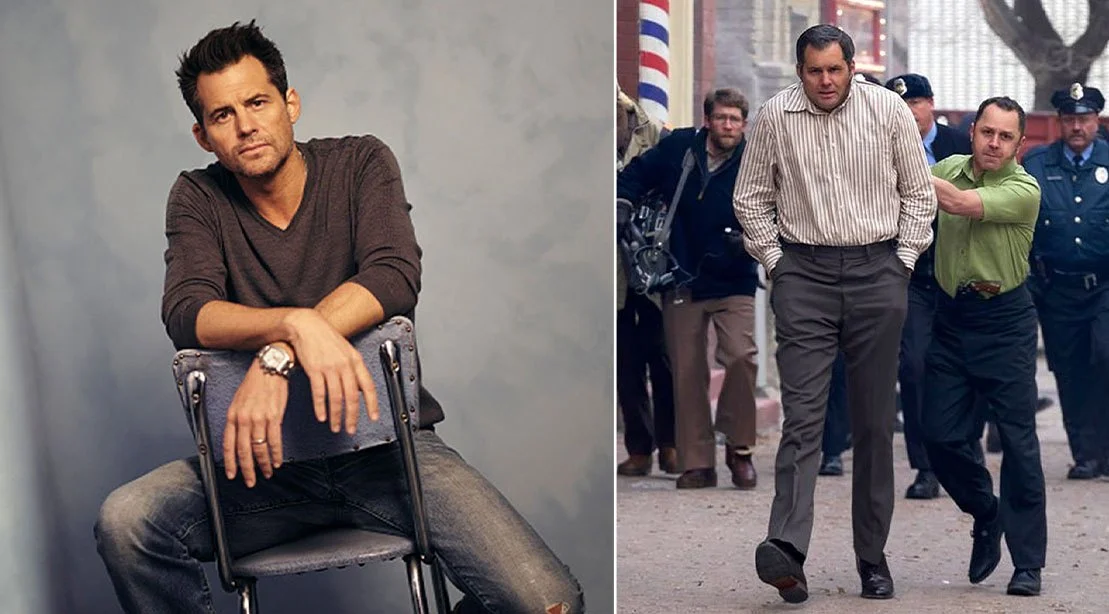
Kristoffer “Kris” Polaha’s experience gaining about 25 pounds for a film role shows how quickly a major change in eating and activity can affect comfort and daily life. He says the weight helped him portray Dick Hall in American Hostage, but the physical changes—including reduced flexibility and new snoring—made returning to his usual routine a priority.
Polaha had about 12 weeks to gain weight for the role. Hall was a mortgage broker abducted for 63 hours in 1977 by a client, Tony Kiritsis. As Polaha understood the character, Hall had stopped caring about his appearance and fitness. The actor says he reached about 211 pounds, the heaviest he had been.
His approach was straightforward: he ate more, including burgers and other calorie-rich foods. He generally preferred to fast in the morning, but began eating a large breakfast for the role. During filming in Winnipeg, long periods seated in a chair also meant less movement during the workday. Polaha says the combination made gaining weight feel surprisingly easy.
What changed during filming
Polaha recalls eating late after shooting, including a hamburger and Guinness at an Earl’s diner around 11:30 p.m. Ice cream also became a regular evening food. These are details of his experience, not a tested weight-gain plan. The account doesn’t include medical supervision, measurements beyond his reported weight, or information about how his health was assessed during the change.
The physical effects became more noticeable as his body changed. Polaha says bending down became harder because his stomach got in the way, and he felt less flexible. He also says his wife noticed that he was snoring. The quick shift from his usual lean build left him feeling as though he was living in a different body.
Looking in the mirror could be difficult, too. Polaha says the makeup and added weight gave him an unwelcome sense of how he might look if he didn’t return to his previous fitness habits. He describes the experience as a wake-up call. His account is personal: the effects of weight change vary, and snoring can have different causes. Someone concerned about new, persistent or worsening snoring can raise it with a clinician.
Returning to his usual routine
After filming, Polaha began working to lose the added weight, starting in February. He says the process felt harder than gaining it and that patience mattered. He returned to morning fasting and daily exercise, and says he enjoys hot yoga for its mental and physical aspects. Running or jogging helps him get more steps in.
Those habits describe what worked for Polaha; they don’t establish that fasting, yoga or running is right for everyone. People’s health needs, schedules and physical abilities differ. Anyone considering a substantial change to eating or activity, particularly someone managing a health condition or taking medication, can discuss options with a doctor or pharmacist.
Polaha says nighttime cravings still come up. He has swapped ice cream for Good & Plenty, a candy he can eat slowly, and describes his general approach as paying attention to how much he eats rather than cutting out favorite foods altogether. That distinction is useful context: his account focuses on personal habits, not a formal diet plan or evidence that one method will work for everyone.
He frames the change around how he wants to move through the world—agile, flexible, strong and lean. The film role required a temporary shift in his routine; returning to his goal weight called for a sustained effort afterward. The practical takeaway is modest: changes in eating and activity can affect how a person feels, and a gradual, personally suitable routine may be easier to maintain than an extreme short-term approach.
American Hostage is now streaming on Prime Video.
To follow Kristoffer Polaha on Instagram, visit his Instagram page.