Chef Chris Valdes Lost 40 Pounds by Changing How He Cooks and Eats
Chris Valdes says sustainable weight loss came from changing habits while keeping the Cuban and Latin flavors central to his cooking.
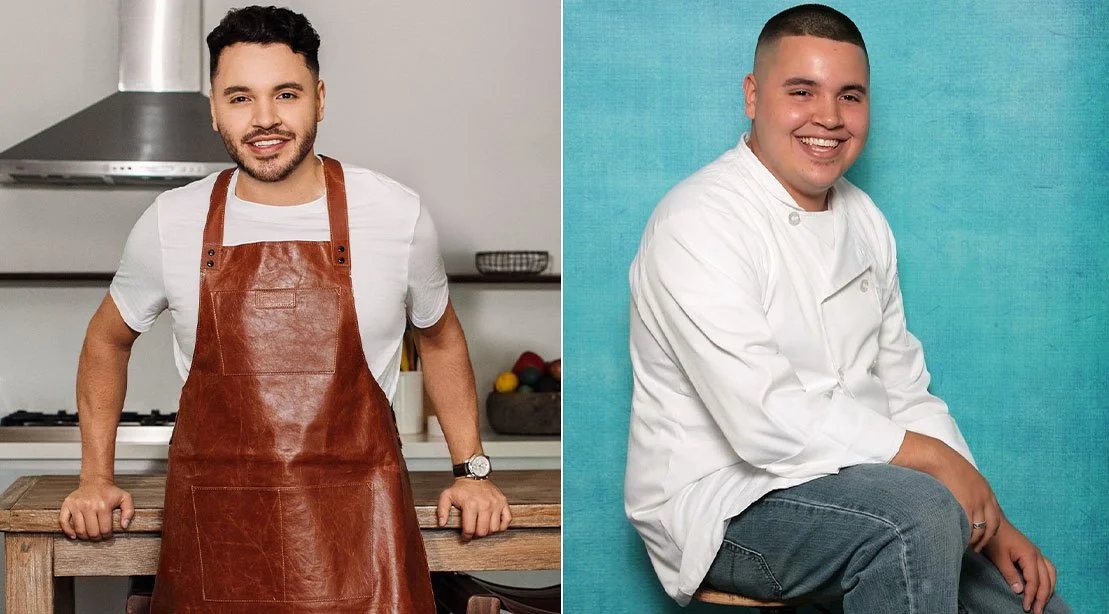
Chef Chris Valdes says losing 40 pounds didn’t require giving up the Cuban and Latin foods that shaped his cooking. The change came from adjusting how he prepared and portioned food, paying closer attention to what he ate, and building habits he could maintain. His account is a personal story, not evidence that one approach will work for everyone, but it shows how he made room for health goals within a career centered on food.
The Miami native became known as a finalist on Season 14 of Food Network Star and has worked as a cook, author and television host. His cooking draws on Cuban roots and Latin and Caribbean flavors, which he describes as bold and full of flavor. For someone who tastes dishes as part of his work, simply avoiding food was never a practical answer.
Keeping cultural foods while changing habits
Valdes describes Latin food as varied rather than inherently healthy or unhealthy. Beans, vegetables, seafood, lean proteins, avocado, herbs, citrus and spices can all feature in these cuisines. Some beloved comfort foods, though, may be fried, carbohydrate heavy or served in large portions. He says he learned to keep the dishes meaningful to him while changing cooking methods, portions and ingredients.
That balance mattered because food has long held emotional significance in his life. Valdes recalls it as a source of love, comfort, family connection and celebration. As a child, he says, his father often bought him chicken nuggets, and he grew up around the family restaurant, where food was present throughout the day. Family gatherings and celebrations were closely tied to eating.
When his father went to prison and the restaurant closed, Valdes found comfort in cooking. Watching cooking programs sparked his interest, and preparing food gave him a place to focus during a difficult period. What began as a source of comfort eventually became his passion and career. That history helps explain why eliminating foods connected to his family and culture didn’t feel like a lasting option.
Why quick fixes didn’t last
Valdes says culinary school added another challenge: he tasted six or seven dishes on many days, and his appetite seemed to follow him beyond the kitchen. At 23, he was told his cholesterol was “far too high,” a result he recalls as a wake-up call.
His early efforts focused on intensive exercise. He hired a trainer and went frequently to the gym, but says much of the weight returned when he reduced his sessions. At 25, he underwent liposuction. Looking back, he says he had hoped that changing his body would help other parts of life fall into place. It didn’t change his habits or his relationship with food, he says, and he came to see that those changes required his own ongoing effort.
Valdes later took up CrossFit and found that he enjoyed it enough to stick with it. He also valued the mental focus the workouts gave him. Concentrating on getting through the next repetition, he says, offered a break from thinking about everything else he was carrying. He describes using the “21/90 rule” as a framework for building routines: 21 days to establish a habit and another 90 days to make it stick. That timeline is part of his personal approach, not a guarantee that habits form on a fixed schedule.
Adding satisfying foods, not just removing them
In the kitchen, Valdes started with changes he found manageable. He stopped drinking sugary soda and became less drawn to greasy foods. He also paid attention to how meals left him feeling, saying that a few minutes of enjoyment didn’t always seem worth feeling sluggish afterward.
Rather than focus only on cutting sugar or fat, he shifted attention to foods he could add. He says he began including more protein, vegetables and fresh ingredients, with a focus on meals that kept him satisfied. In preparing dishes, he now often grills, roasts, air-fries or sears food instead of deep-frying it. Citrus, herbs, garlic, chiles and spices help bring flavor without relying as much on heavy sauces. He also considers leaner proteins, additional vegetables and portion sizes.
His guiding principle is that a lighter version of a dish still has to taste good. If it doesn’t, he says, it may be hard to keep choosing it. He doesn’t describe himself as a “healthy chef” and says he hasn’t abandoned Cuban or Latin foods. Instead, he aims to preserve what makes a dish familiar while making choices that fit his current priorities.
Valdes’s experience suggests that, for him, lasting change depended on a mix of food choices, enjoyable activity and attention to routine—not a single procedure or temporary burst of effort. His weight loss and health history are his own, and his approach shouldn’t be read as a treatment plan. People concerned about cholesterol, weight changes or how to adapt their eating can discuss their circumstances with a doctor or registered dietitian. For Valdes, the practical takeaway is to make changes that leave room for pleasure, culture and consistency.
To follow Chef Chris Valdes on Instagram, visit his Instagram page.