Frank Grillo on Training, Aging and a More Careful Approach to Men’s Health
The actor’s demanding routine and TRT experience are personal, not a template. He stresses medical evaluation, mental health and patience with emerging treatments.
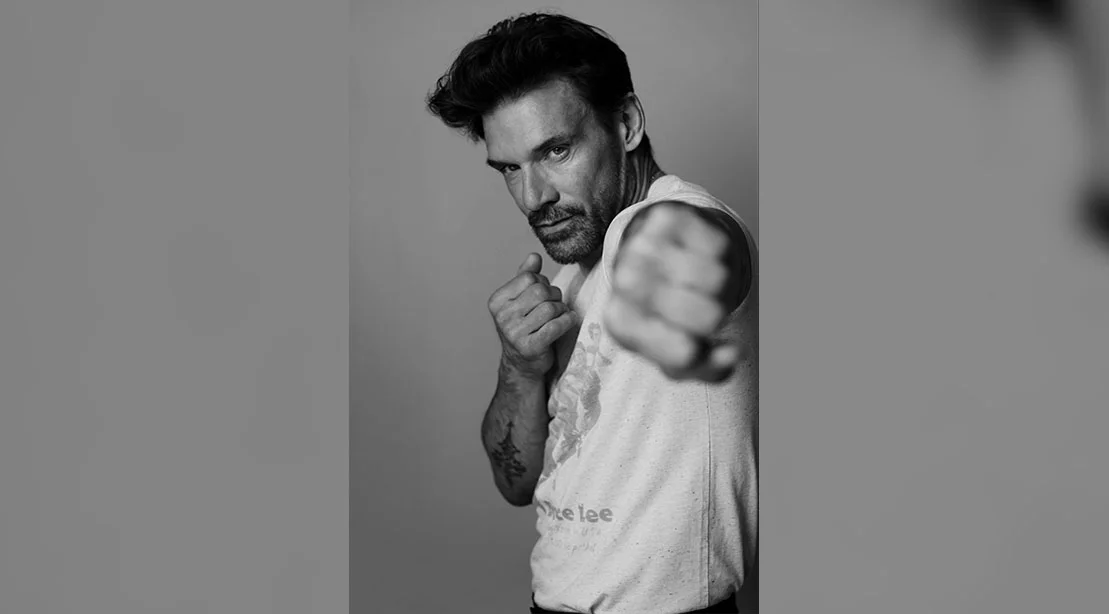
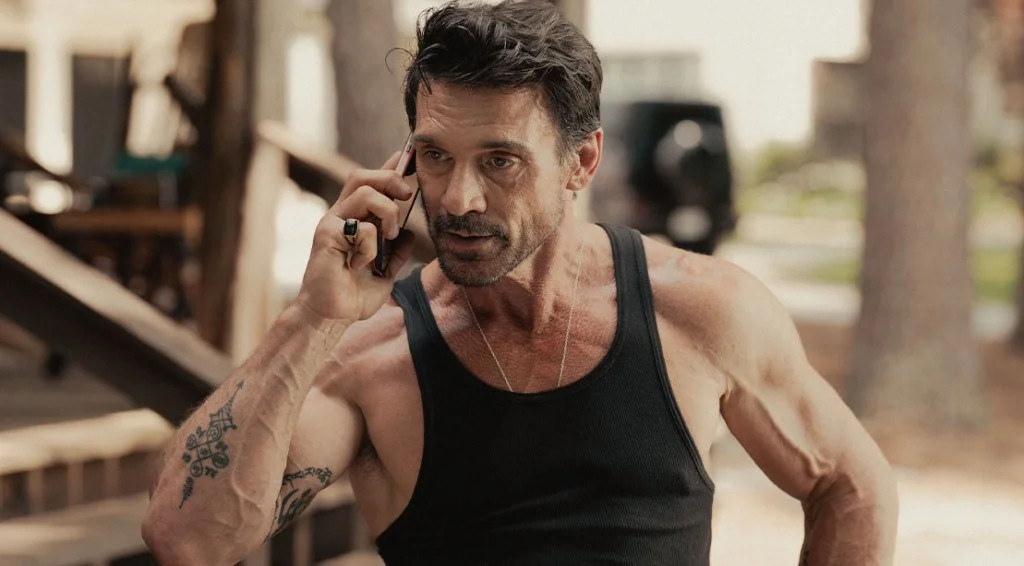
Frank Grillo’s account of staying active as he ages is less a blueprint than a reminder that a demanding routine has to change with the body. The 60-year-old actor still boxes for about 90 minutes a day and does strength and conditioning five or six days a week. But a role that pushed him from his usual 165 pounds to around 190 also taught him how long it can take to recover from a major physical transformation.
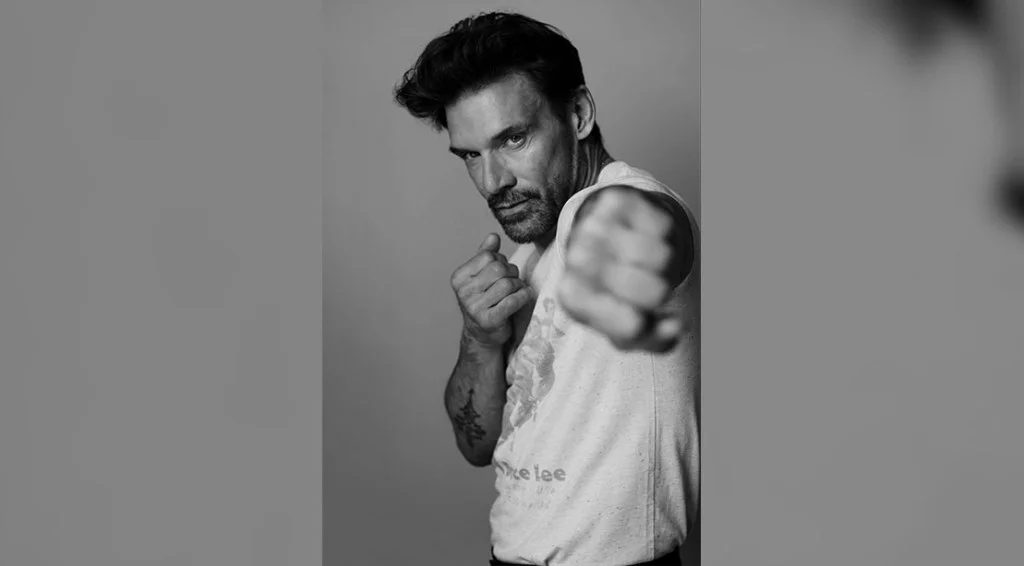
In an interview, Grillo spoke about acting, combat sports, testosterone replacement therapy (TRT), sobriety, mental health and faith. His experience can offer a window into how one person thinks about performance and aging. It can’t establish what another person’s symptoms mean or whether hormone treatment would help them. Grillo says his own TRT began after a physician reviewed his bloodwork, a point that matters amid wider interest in treatments marketed for energy, fitness and longevity.
A role that took a year to recover from
Grillo’s most demanding preparation came for Boss Level, in which he plays Roy Pulver, a former special forces operative trapped in a repeating fight for survival. For eight weeks, he worked with a strength and conditioning coach and a boxing trainer, with a gym set up in the house where he was staying. His routine paired daily boxing for cardio with heavy lifting. His trainer, Brendan Johnson, used a program Grillo described as close to powerlifting.
The preparation built the size and leanness the role required. It also took him well beyond his usual weight: he went from about 165 pounds to around 190. The difficult part came afterward. Grillo says it took roughly a year to return to his normal size in a way he felt was healthy, and he doesn’t want to repeat the process.
That experience lends context to his current focus on sustaining performance rather than pursuing a particular look at any cost. A role can demand an intense, time-limited change, but the months spent reversing it are part of the story too. Grillo’s account isn’t a clinical study of weight gain or recovery; it is one actor’s description of what an unusually demanding preparation involved for him.
Training beyond the next role
Grillo says exercise has been a lasting part of his life, not simply a job requirement. He wrestled and lifted weights when he was young, and over the years he has boxed, practiced Jiu-Jitsu and strength trained. He remains drawn to combat sports and the discipline involved in becoming an accomplished fighter. His interest in fight culture also took him around the world for Netflix’s Fight World, a series about different communities and their approaches to combat.
His training has changed with experience. He once did CrossFit in New York, but says he became injured and found that combining it with boxing on the same day was too much for him. He described the period as an obsession that placed excessive demands on his nervous system. The lesson he draws is personal: what feels sustainable can depend on how different forms of training add up, and enthusiasm alone doesn’t guarantee that a routine suits someone.
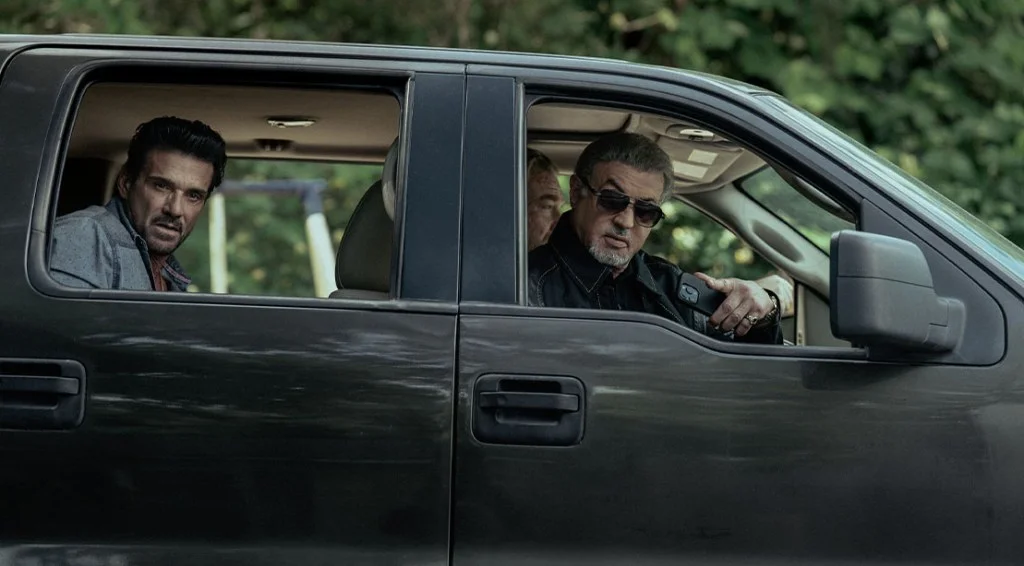
That physical commitment has shaped his screen presence, including his recent work on Tulsa King, the Paramount+ series led by Sylvester Stallone. Grillo describes Stallone as an influence and connects him with the larger-than-life action actors he admired growing up. He also spoke of Arnold Schwarzenegger as inspirational in the fitness world. For Grillo, the through line is the chance to keep working physically while continuing to learn and take on new roles.
A longstanding connection to bodybuilding
Grillo’s enthusiasm for physical culture reaches back to childhood, when he began lifting with a Joe Weider weight set. He recalls being influenced by Weider and Schwarzenegger, whose presence helped bring bodybuilding and fitness to a wider audience. He now trains at Gold’s Gym Venice, which he calls “the Mecca.”
He isn’t describing himself as a conventional bodybuilding follower, but he appreciates the sport’s aesthetics and history. He names Arnold Schwarzenegger, Frank Zane and Lee Haney as physiques he admired for their symmetry and appearance. In his view, bodybuilding’s contribution extends beyond muscle: it helped make disciplined training and fitness part of mainstream culture.
That history is also why the Olympia appeals to him. He described the event as a natural celebration of the fitness culture that shaped his interests and said attending would be exciting. His own routine now centers more on boxing, combat sports and functional strength, but he still values what bodybuilding has contributed to the broader fitness world.
What prompted Grillo to consider TRT
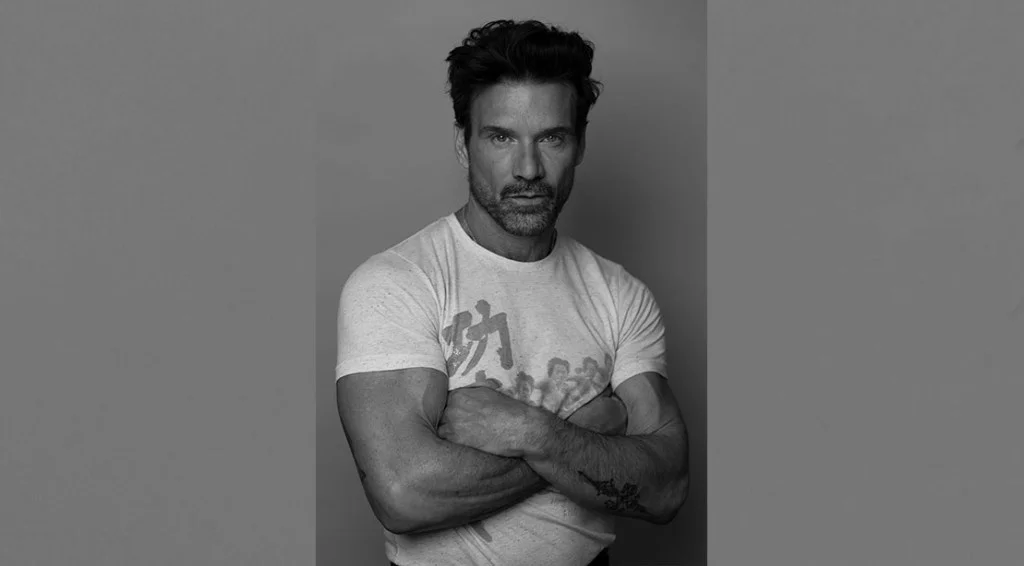
A routine medical checkup raised a question about recovery. Grillo says his physician, Dr. Rand McClain, found that his testosterone level was around 200 and wondered how he was managing such a strenuous schedule. Grillo recalls initially thinking his discipline was enough. His doctor challenged that view, telling him that grit alone might not carry him through the later part of life.
After reviewing his bloodwork, Grillo decided to try TRT with medical supervision. He says he had not realized how tired he felt or how poorly he was recovering until he noticed a change. He also reports better sleep and mood. He recalls previously sleeping four or five hours a night and now sleeping closer to nine. He describes the treatment as changing how he felt and looked.
These are Grillo’s personal observations, not proof that TRT produces the same results for other people. The interview doesn’t provide his full medical history, details of the treatment or clinical measurements before and after. Nor does it show that the reported sleep and mood changes were caused by TRT alone. A person’s symptoms and hormone results need to be assessed in context by a qualified clinician.
Grillo says he once assumed that drinking wine daily had little effect on him, then noticed a difference after giving it up. He uses that experience to explain how a person may not recognize a change in how they feel until circumstances shift. The comparison describes his perspective; it doesn’t establish a general effect of either stopping alcohol or starting hormone treatment.
Testing and medical oversight matter
Grillo’s main message about TRT is to get bloodwork and find out whether a clinician considers treatment appropriate. He points out that age alone doesn’t determine a person’s testosterone level, and gives the example of a 50-year-old man whose level might be 700. Feeling tired on its own also doesn’t establish low testosterone or make someone a candidate for therapy.
That emphasis on evaluation is useful in a conversation where personal stories and physique changes can make treatment sound straightforward. A clinician can interpret test results alongside symptoms and a person’s health history. Anyone concerned about persistent fatigue, changes in mood, sleep problems or recovery can discuss those concerns with a doctor. A pharmacist can also help explain a prescribed medicine, its potential effects and questions to raise with the prescriber.
Grillo says he wants people to understand what they’re taking and to avoid assuming that another person’s experience will apply to them. He is involved with the $99 TRT Club and says he wants its approach to include education, testing, medical oversight and pharmaceutical-grade products. His participation and account are not independent evidence of how well a service or treatment works. The practical point in his remarks is that decisions about hormone therapy should follow individual assessment rather than social comparison.
Interest in new treatments, with reservations
Grillo is also curious about peptides, gene therapy and other approaches being discussed in connection with longevity and daily function. He sees potential in scientific progress, while expressing concern that interest in new products can outpace evidence about their longer-term effects. He recalls earlier generations of bodybuilders trying substances before their consequences were well understood and says consumers should learn from that history.
He describes his own outlook as cautiously optimistic. He wants time to understand what he is using and doesn’t want to chase each new product simply because it has attracted attention. That restraint fits the limits of the interview: it offers no clinical findings about peptides or gene therapy and can’t establish the safety or benefit of any particular approach. For people weighing a new treatment, a clinician or pharmacist can help review what is known, what remains uncertain and how it relates to their health.
Mental health is part of his definition of wellness
Grillo says sobriety and the loss of people close to him to suicide have shaped how he thinks about mental health. When someone feels despondent or unable to find joy, he believes addressing their mental state deserves attention before adding another substance or treatment. He often encourages friends to move their bodies and go to the gym, but recognizes that exercise won’t always be enough.
“Sometimes that’s not enough,” he says, and a person may need professional help. He says he tries to notice when people around him become quieter or withdraw, and that strangers sometimes contact him through social media to share difficult experiences. He doesn’t claim to solve their problems; he tries to point them toward professional support and, at times, to listen. His account underscores that asking for help can matter, while leaving the nature of that help to the person and their care team.
Staying active while adjusting expectations
Faith is another source of grounding for Grillo. He says he talks to God and holds onto his faith as he navigates work, family, training and difficult periods. Curiosity also keeps him engaged: he continues to learn about exercise, combat sports and health science. In his view, physical fitness is one part of well-being, alongside mental and spiritual life.
He remains active, boxing, training, riding dirt bikes and looking for new experiences. His aim isn’t to reproduce how he trained at 25. He says he knows there is a level of activity he can maintain, even as he changes his approach with age. That is a more grounded frame than trying to stop aging: pay attention to how the body responds, allow room for recovery and seek medical input when a health concern comes up.
Grillo’s story combines an intense personal routine with experiences that don’t automatically transfer to other people. His account of TRT is a reason to discuss symptoms and test results with a clinician, not a basis for self-diagnosis. His longer-running message is simpler: staying capable over time involves more than pushing harder, and physical training is only one part of health.