Sleep Tips for Adjusting to the Fall Time Change
A sleep specialist suggests gradual schedule shifts, morning light and steady routines to help ease the change to standard time.
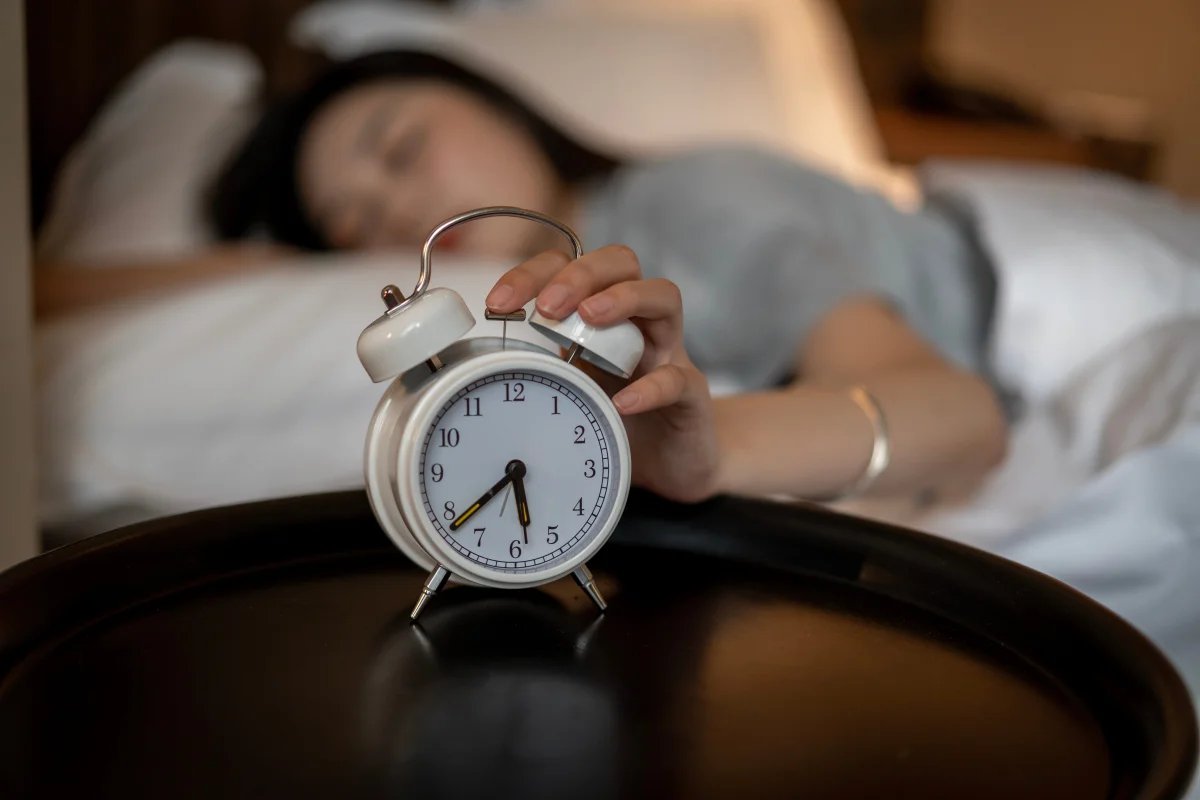
The extra hour at the end of daylight saving time can still leave people feeling out of step. A sleep specialist’s advice centers on helping the body adjust gradually through light, regular sleep times and consistent daily routines.

In the U.S., daylight saving time ends on November 1. The return to standard time shifts daylight earlier, a pattern that can align more closely with the body’s response to natural light. But the clock changes all at once, while the body’s internal timing may take longer to catch up.
“Our bodies rely heavily on natural light to regulate our circadian rhythm, which is our internal clock that tells us when to feel awake and when to feel sleepy,” says Angela Holliday-Bell, M.D., a board-certified physician and certified sleep specialist. She says the transition may bring earlier waking or sleepiness earlier in the evening.
Although the fall change adds an hour on the clock, research cited in the source suggests people may find it harder to adjust to than the spring change. Holliday-Bell points to the seasonal context: days are getting shorter, the weather is colder, and people may have fewer chances to spend time outdoors. Darkness after work can affect mood, motivation and activity, particularly for people who are sensitive to seasonal shifts.
Shift routines in small steps
Holliday-Bell recommends beginning the adjustment in the days before the clock change. Her approach is to move bedtime and wake time about 15 minutes later each day. That gradual shift gives the body time to adapt to the new clock schedule instead of requiring the full change overnight.
The same timing can apply to meals and exercise. Holliday-Bell suggests moving those routines later by about 15 minutes each day along with sleep. Regular cues throughout the day may help the change feel less abrupt, since the body’s rhythms respond to more than sleep alone.

These are general strategies, and people’s schedules and responses vary. The source doesn’t describe a clinical trial testing this exact routine, so the advice is best understood as a sleep specialist’s practical guidance rather than a proven method that guarantees a particular result.
Use morning light as a wake-up cue
Getting outdoors soon after waking can provide a clear daytime signal. Holliday-Bell suggests spending 15 to 20 minutes outside in the morning. Natural light helps set the body’s internal clock and may support daytime alertness and a regular sleep schedule.
For people who can’t get outdoors, the article doesn’t offer a substitute or specify how light exposure should be adjusted for individual circumstances. The practical point is to make morning light part of the routine where feasible, while keeping expectations realistic: it may help the body recognize the new day, but it won’t necessarily erase grogginess immediately.
Keep the new wake time steady
An extra hour on the clock can make sleeping in tempting. Holliday-Bell advises keeping close to the usual wake time, adjusted to the new clock, rather than allowing that first morning to turn into a much later start. She describes wake time as a major anchor for circadian rhythm; a consistent start to the day can help the body settle into the updated schedule.
That doesn’t mean everyone will feel rested right away. The transition can still bring temporary changes in alertness or sleep timing, even when routines are consistent. A steady wake time is one cue among several, alongside morning light and a gradual shift in bedtime.
Make evenings calmer and dimmer
As bedtime approaches, Holliday-Bell recommends lowering light levels, especially in the hour or two before bed. Bright overhead lighting and light from electronic devices may interfere with melatonin release, while a dimmer environment can reinforce the body’s usual signals that nighttime is approaching.
This is a simple environmental adjustment, not a promise of better sleep for everyone. If screens or bright lights are part of an evening routine, reducing their intensity or setting them aside during wind-down time may make the transition easier for some people.
Allow time to adjust
Holliday-Bell says most people adapt within a few days to about a week as their internal clock catches up. Some temporary changes, such as waking earlier or feeling sleepy earlier, can be part of that adjustment. The seasonal loss of evening light may also affect how people feel, even after their sleep schedule begins to settle.
If major sleep disruptions continue beyond a week or two, or make it difficult to function during the day, Holliday-Bell says it may be sensible to talk with a doctor. That conversation can help put persistent sleep problems in context and identify whether other factors may be involved. For the clock change itself, a gradual shift, morning daylight and steady daily cues offer a measured way to support the body’s adjustment.