Mattress Picks by Sleep Position, Temperature Needs and Joint Comfort
Expert guidance and editor testing point to different mattress features for side, back and stomach sleepers, hot sleepers and people with joint discomfort.
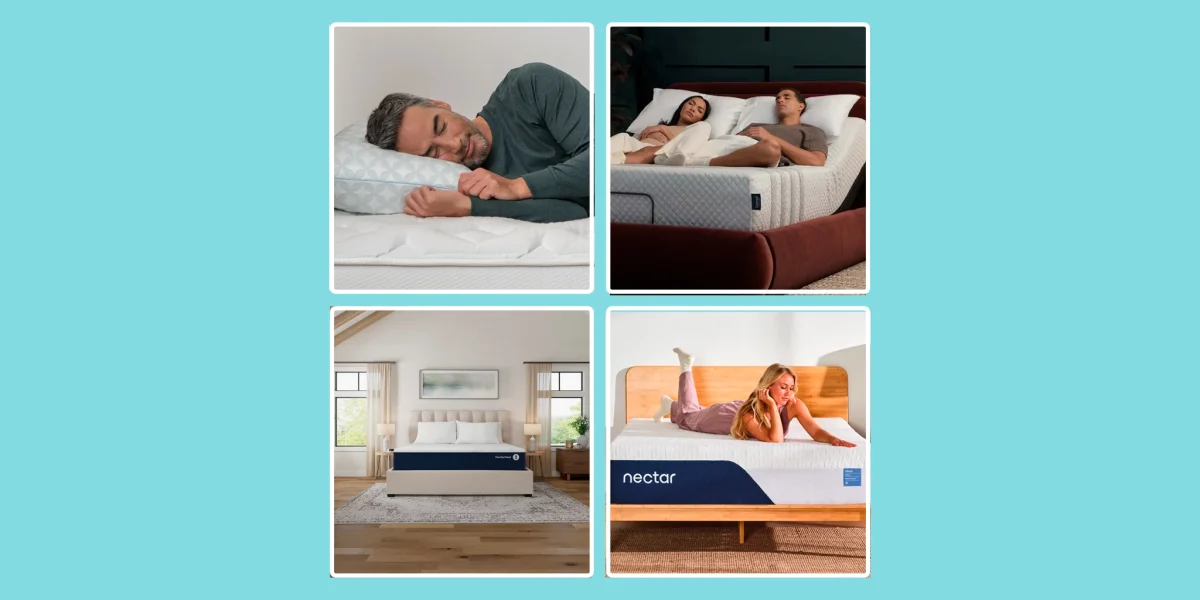
A mattress can feel comfortable in a showroom and still leave you waking with pressure, stiffness or too much heat. The useful starting point is how you sleep and where your body needs support. Sleep position, preferred firmness and temperature comfort all affect how a mattress feels; a recommendation based on one of those factors may not suit someone with different needs.

The picks below combine advice from sleep and spine specialists with editors’ product testing. They’re consumer recommendations, not clinical evidence that a mattress treats pain or improves sleep for everyone. Product prices and discounts can change, and personal comfort varies. For persistent pain or sleep problems, a clinician can help assess possible causes and discuss care options.
Side sleepers: balance cushioning with support
Side sleeping concentrates pressure around the shoulders and hips. Raj Dasgupta, M.D., a quadruple board-certified physician who specializes in sleep, says a medium-soft to medium mattress can let those areas sink in while supporting the waist and legs. A surface that feels too firm may press on the shoulder or hip; one that feels too soft may allow the body to sag.

Tempur-Pedic Tempur-Adapt is the roundup’s overall pick for side sleepers. Its memory foam layers contour to the body, while the mattress is designed to maintain support as a sleeper changes position. The balance of cushioning and firmness may appeal to people who want pressure relief without feeling that they sink too far.
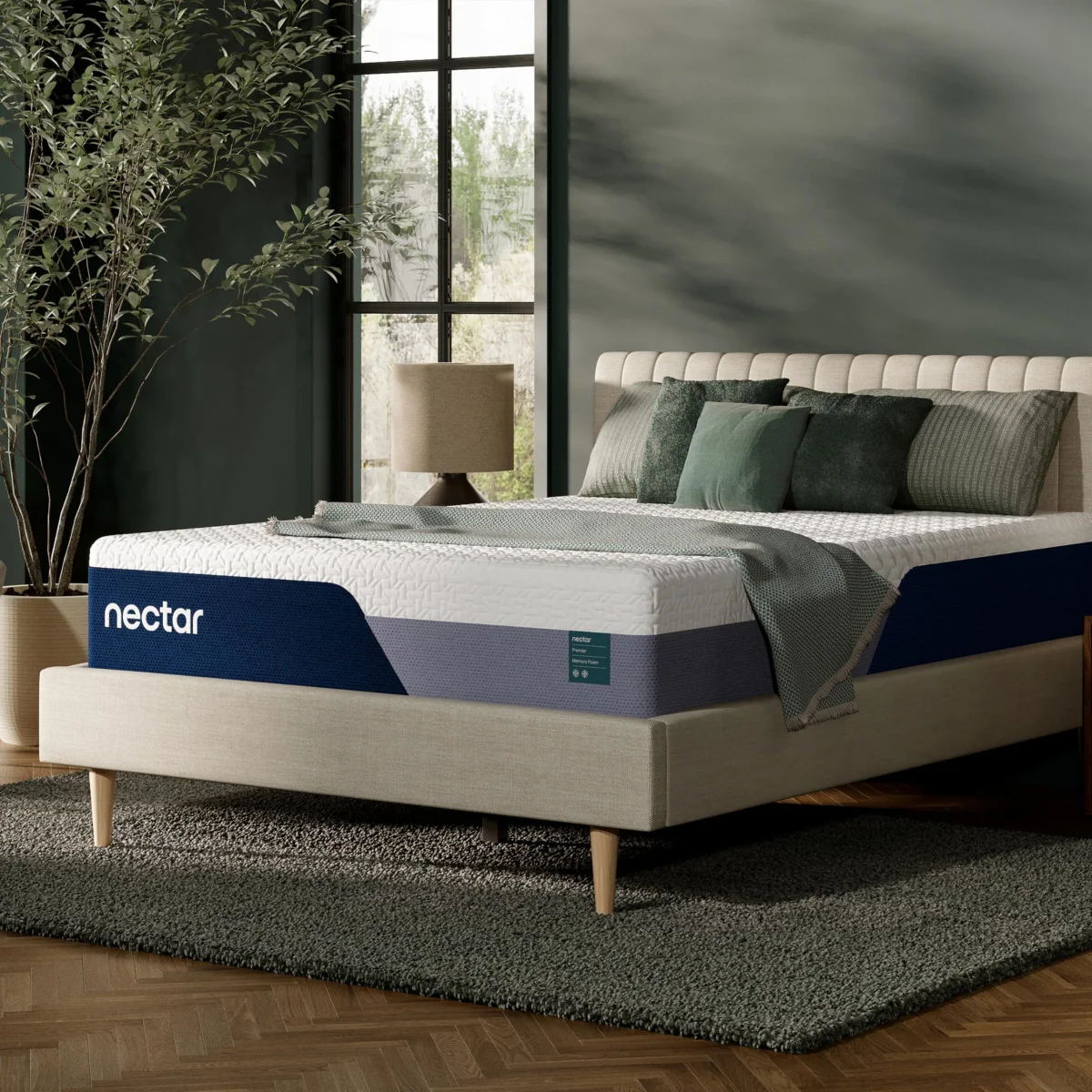
For a lower-priced option, the Nectar Premier 13-Inch Memory Foam Mattress combines pressure-relieving foam with cooling fibers. The source describes it as the brand’s most popular memory foam model and highlights its mix of softness and support.
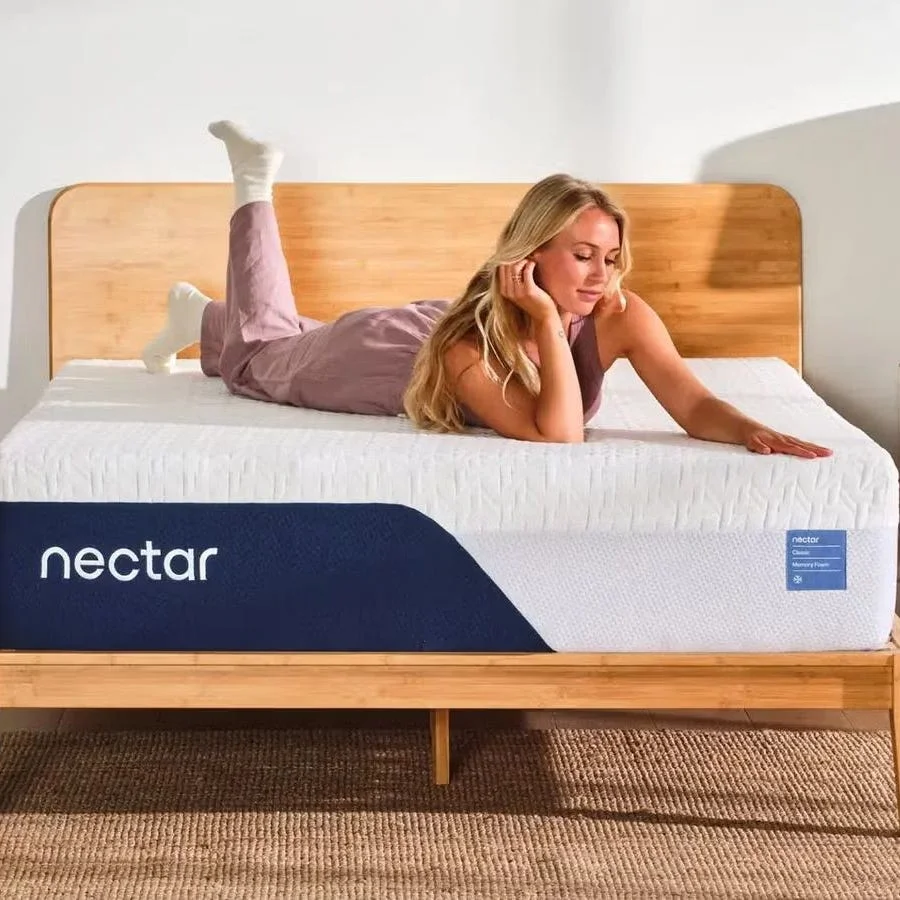
For side sleepers focused on hip pressure, the Helix Midnight Luxe offers a medium feel, added lumbar support and reinforcement around the shoulders and hips. Those features are intended to spread support across pressure points. A mattress can affect comfort, but hip pain has many possible causes, so a product choice alone can’t establish or treat the cause.

Back sleepers: pay attention to lower-back support
Dr. Dasgupta suggests that back sleepers look for a medium to medium-firm feel that supports the lower back’s natural curve. He explains that sleep position affects how body weight is distributed and how the spine rests overnight; a mismatch between the sleeper and the mattress may contribute to strain. Support should feel comfortable across the back rather than creating a pronounced gap or pressure spot.
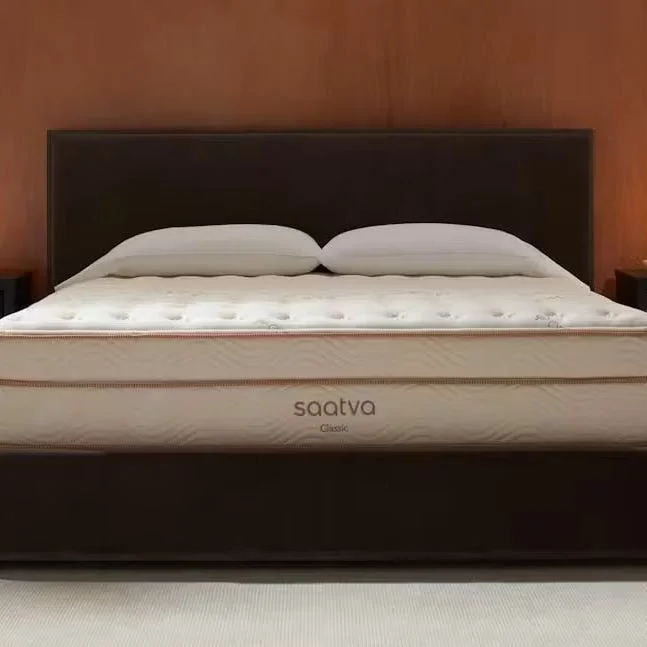
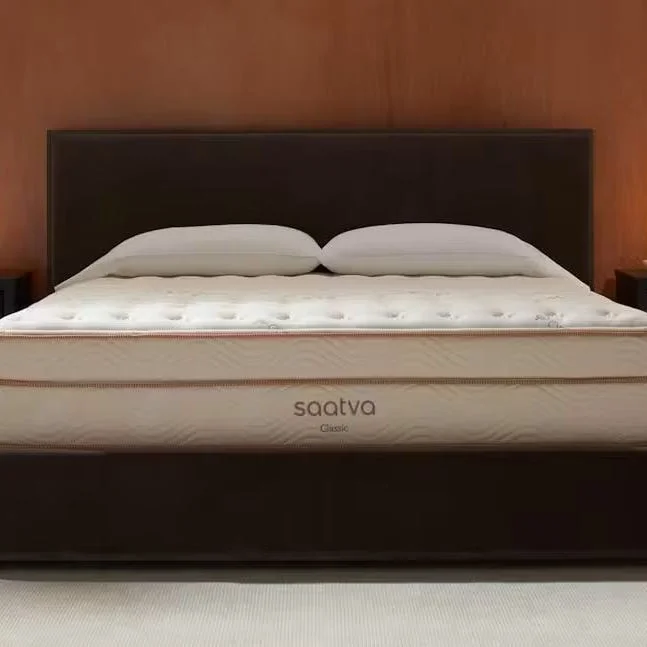
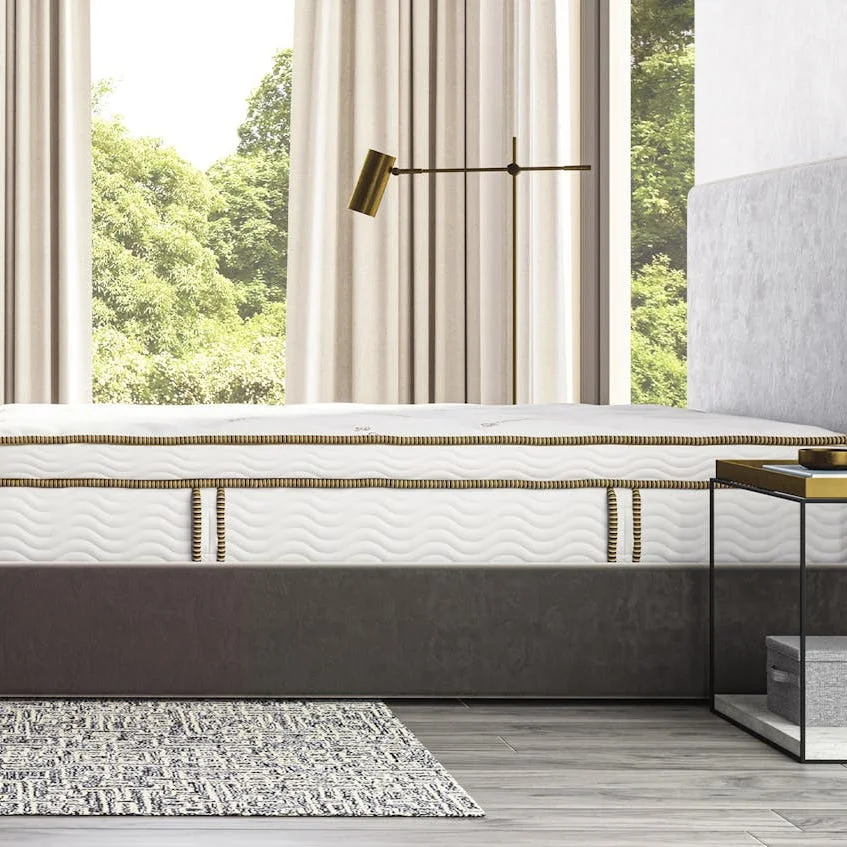
The Saatva Classic is the featured innerspring pick. It comes in Plush Soft, Luxury Firm and Firm options. Its individually wrapped coils include added support in the center third of the mattress, a design the brand calls Lumbar Zone technology. The coil construction also allows airflow, and the cover is made with organic cotton. These features may be relevant to shoppers weighing back support and breathability.

Dr. Dasgupta also recommends the Nectar Classic Mattress, a medium-firm memory foam option. Its foam is described as contouring around the shoulders and hips while supporting the lower back. The source notes that the Nectar costs substantially less than the Saatva Classic, though prices vary by retailer and sale.
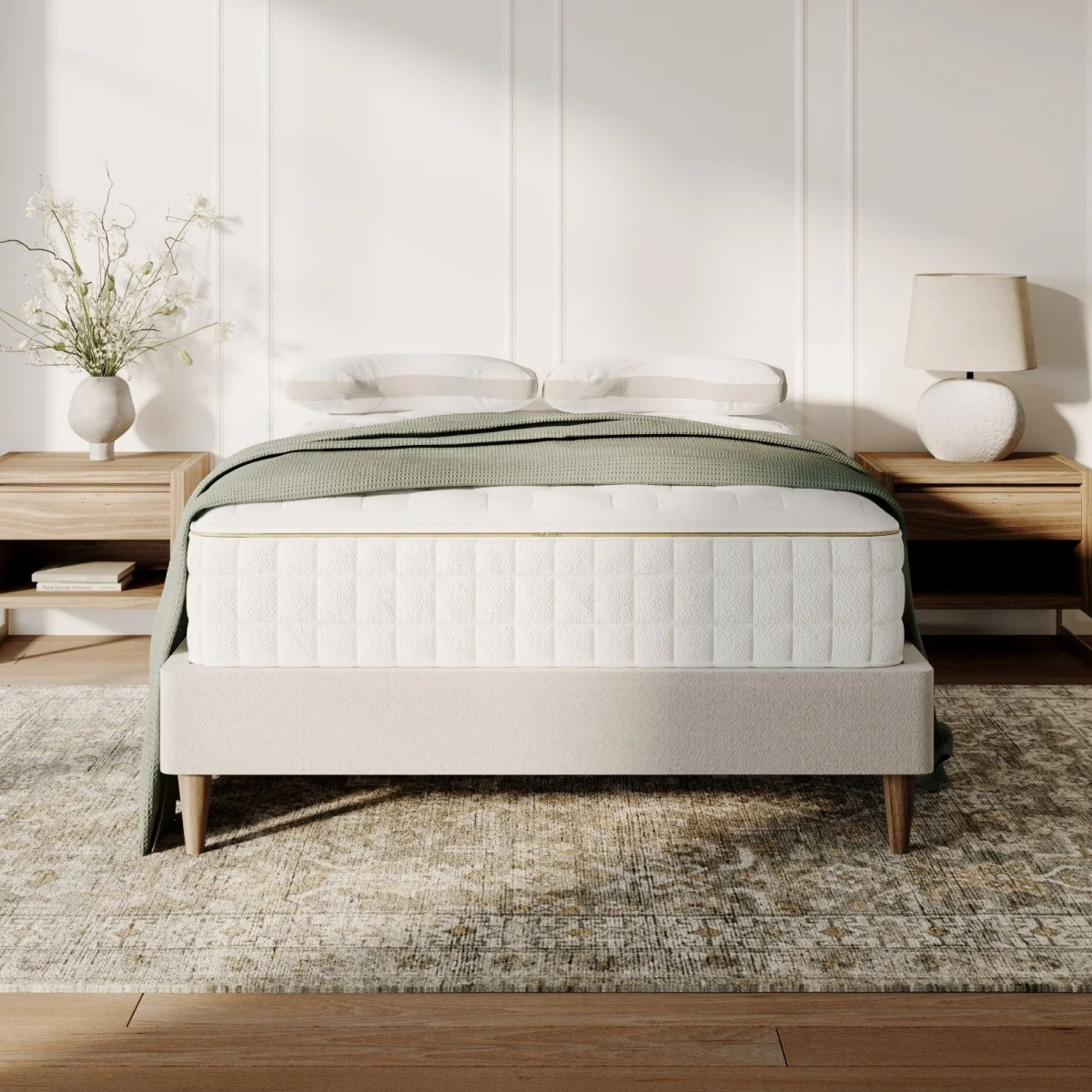
The Nolah Original is the roundup’s supportive foam pick for back sleepers. Its six responsive foam layers are designed to contour to the body while balancing pressure relief with lumbar support. As with any firmness recommendation, how it feels will depend on the individual and their sleeping habits.

Stomach sleepers: avoid excessive sinking
Stomach sleepers may need a firmer surface to help keep the hips level and the abdomen supported. Yash Mehta, D.O., an interventional spine and sports medicine physician, says a mattress that lets the hips and stomach dip can increase the curve in the lower back and contribute to discomfort. The aim is support that limits sagging without feeling uncomfortably hard.

The Saatva Classic is also the overall stomach-sleeper pick. Its individually wrapped coils and added spinal support are intended to offer pressure relief while keeping the body supported. Former assistant editor Shannen Zitz reported that the mattress reduced the unusual sensations she experienced after sleeping on her stomach. That is an individual review, not proof that other sleepers will have the same result.
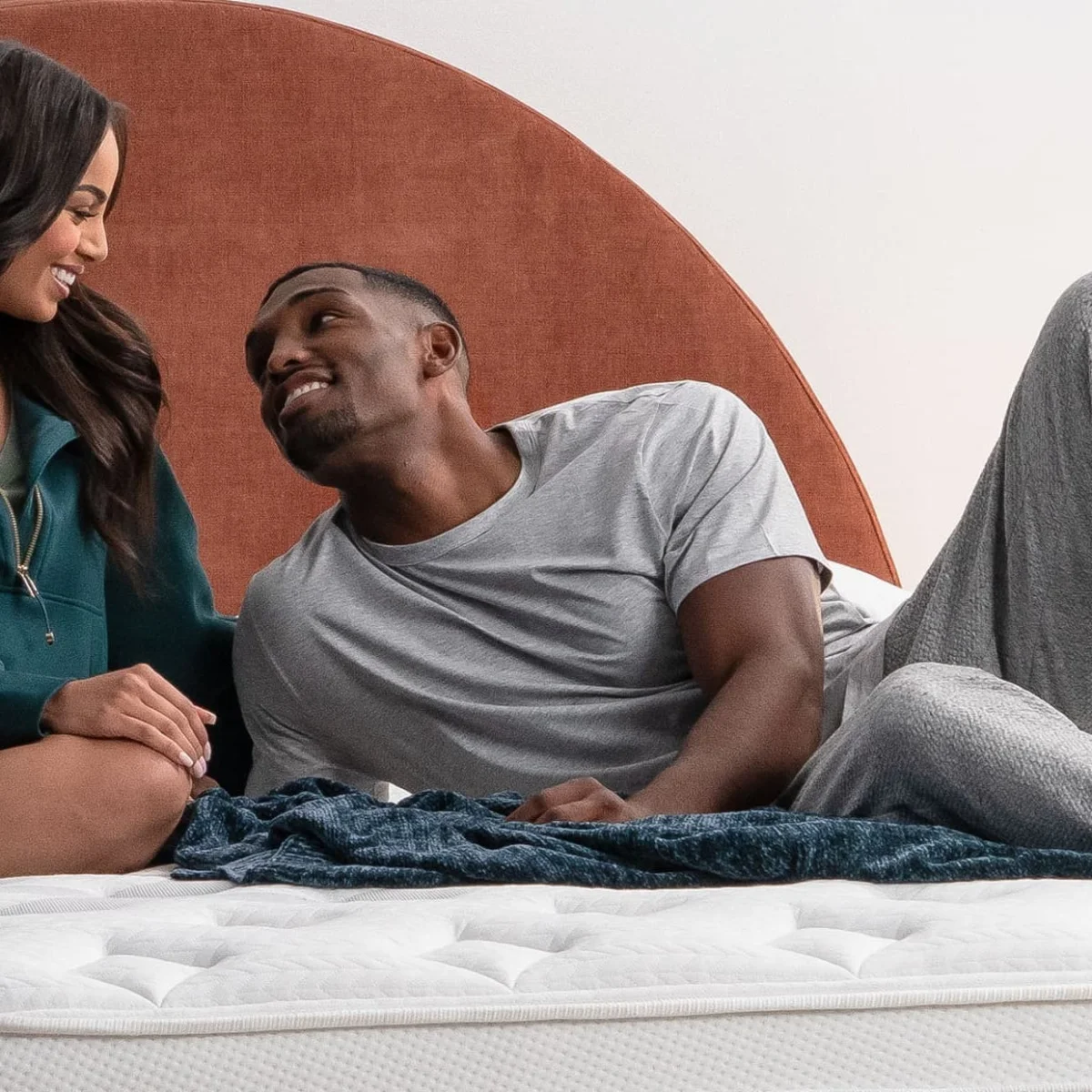
The Avocado Green Mattress is the organic-materials pick. It has seven support zones designed to provide structure across the hips, back and shoulders. Associate commerce editor Hannah Jeon described feeling that her spine stayed aligned without uncomfortable pressure, and said the mattress felt responsive enough to change positions without sinking too deeply.
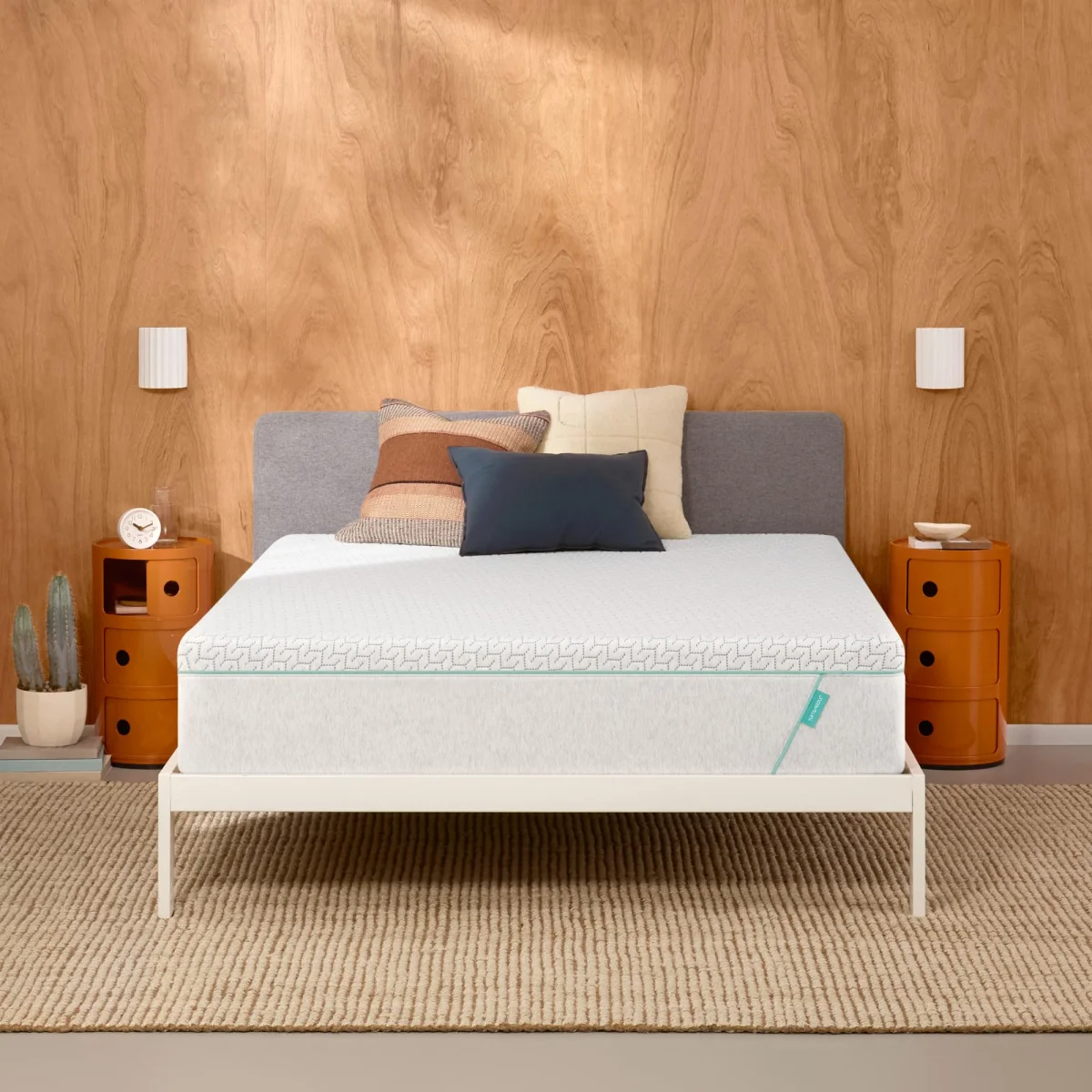
For couples with different firmness preferences, the Naturepedic EOS Classic Customizable Organic Mattress allows each side to be adjusted separately. Mehta notes that stomach sleepers are a relatively small share of the population, so partners may have different preferred sleep positions and support needs. An adjustable design gives each person more room to personalize their side.
Hot sleepers: consider airflow and materials
Body temperature naturally shifts around sleep, and a cool bedroom can make it easier to fall asleep, Dr. Dasgupta says. He gives 60 to 67°F as an ideal room-temperature range for an average adult, while recognizing that not everyone can set a room that cool. Mattress materials and construction may affect how warm the bed feels, though they can’t control room temperature or guarantee comfortable sleep.

The Leesa Sapira Chill Hybrid Mattress is the cooling pick highlighted for side sleepers, and the source also names it for back and stomach sleepers. The writer reports using it for three years and finding it helpful for staying cool. The brand describes its fibers as supporting personal temperature control; that is a product claim, while the writer’s experience is one person’s account.
For shoppers who prefer memory foam, the Tuft & Needle Original Hybrid Mattress uses a high-density base and an adaptive foam layer intended to support alignment and cushion pressure points. The brand says cooling gel helps draw heat away from the body. The source lists the product under its cooling memory foam category.

The Saatva Latex Hybrid is the latex option. It uses natural latex with airflow channels and is described as buoyant and breathable. Contributing writer Tina Martinez says it offers uplifting support and may suit hot sleepers looking for a firmer feel. These are product and reviewer descriptions; individual temperature comfort can differ.
Joint discomfort: look for support that fits your body
A mattress that doesn’t feel supportive may contribute to discomfort in the back, shoulders or hips. Dr. Dasgupta emphasizes spinal alignment as a useful consideration, while also recognizing that comfort is personal. These products haven’t been presented as treatments for joint conditions, and waking pain can have causes unrelated to a mattress.
The Saatva Rx is the roundup’s pick for back discomfort. Creative director Bruce Perez praised its combination of pressure relief and support, particularly the extra memory foam in the lumbar area. His review describes a personal experience and shouldn’t be read as a guarantee of pain relief.
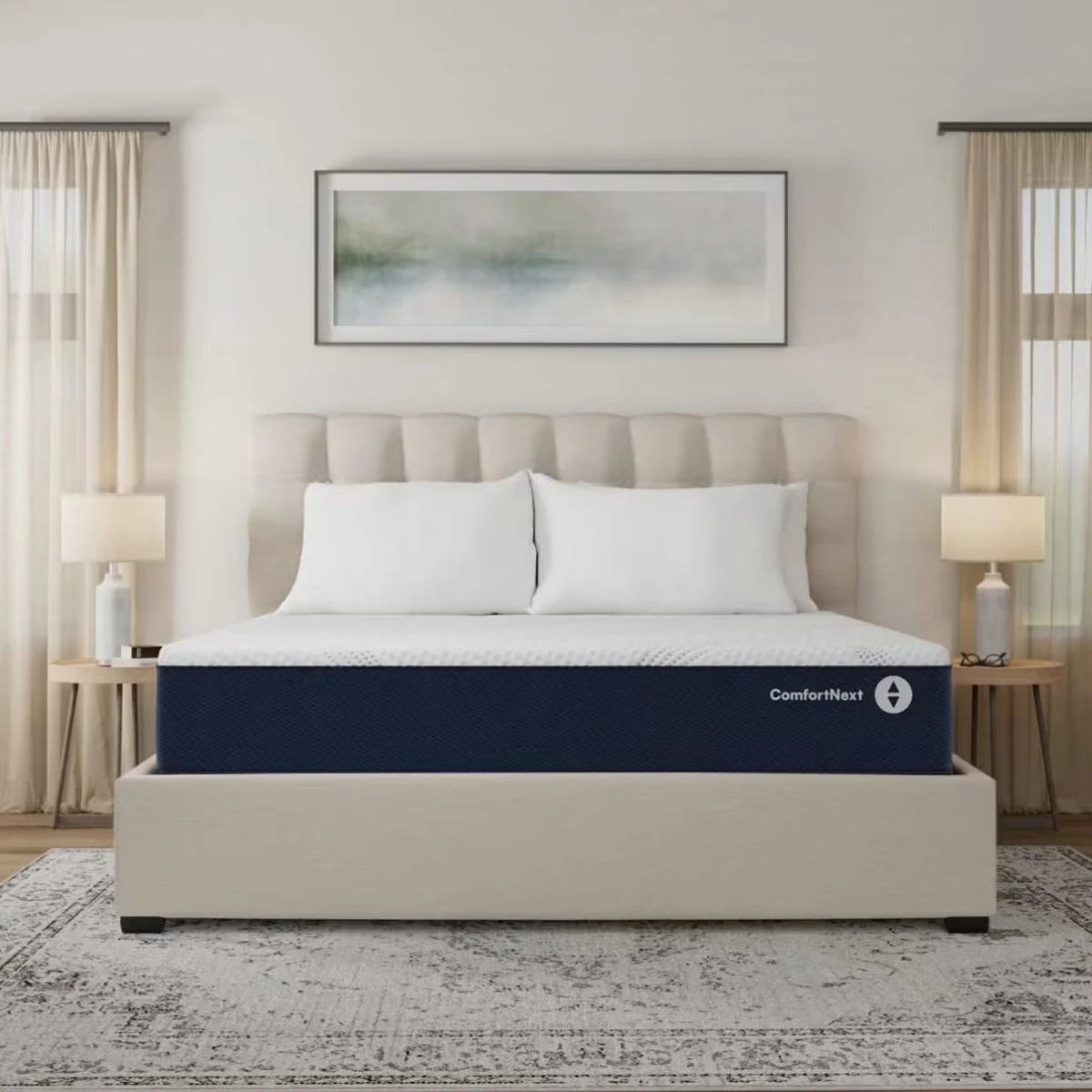
For hip discomfort, the Sleep Number Comfort Next Adjustable Mattress lets users fine-tune firmness. Executive director Stephanie Dolgoff reported less hip pain and stiffness after changing her setting during testing. Her account shows why adjustability can be useful for personal preference, but it doesn’t establish a typical outcome.
For side sleepers with pressure around the shoulders and hips, the Purple Original Mattress uses a grid structure designed to support the body while cushioning pressure points. The roundup recommends it as a pain-relief option for side sleepers. As with the other picks, the experience will depend on the person and the source of their discomfort.
How the recommendations were selected
The roundup draws on advice from Dr. Dasgupta and Dr. Mehta, existing mattress comparisons for different sleep positions and back discomfort, and editor reviews. The products with cited first-person testing include the Saatva Classic, Saatva Rx, Saatva Latex Hybrid, Leesa Sapira Chill, Sleep Number Comfort Next and Avocado Green Mattress. This approach combines specialist guidance with hands-on impressions; it is not a clinical trial comparing mattresses or measuring treatment outcomes.
Timing a purchase
Mattresses are a major household expense, and the source identifies Labor Day, Presidents’ Day, Memorial Day and Black Friday as common sale periods. Waiting for a sale may affect the price, but discounts and availability change. Before buying, it can help to compare firmness options, materials, return terms and whether the mattress suits the people sharing it.
The most practical takeaway is to start with sleep position and comfort needs, then treat product recommendations as a shortlist. If pain keeps returning, worsens or disrupts daily life, a healthcare professional can help assess it; a new mattress is only one possible part of the picture.