Posture-Correcting Bras: What Experts Say and Five Options to Consider
Posture bras may offer a gentle cue and added support, but they work best alongside strength and movement—not as a stand-alone fix.
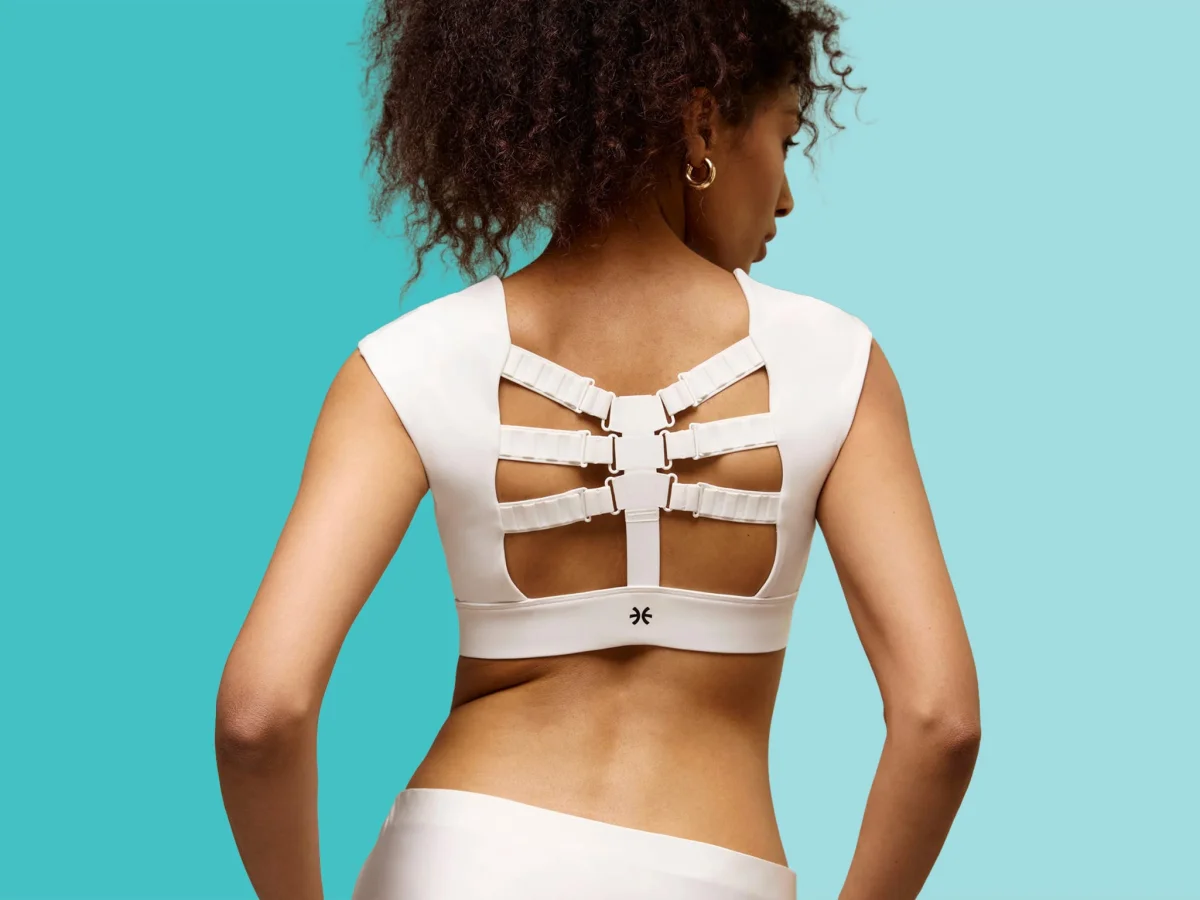
Posture-correcting bras may give the shoulders a gentle cue and make some people feel more supported, but they can’t do the work of building strength. Physical therapists describe them as one possible aid for people who want extra support while exercising or working at a desk. The evidence is still preliminary, and a bra’s fit and comfort matter as much as its posture panels.
These bras often use criss-cross straps, reinforced shoulder straps, or panels that draw the shoulders back. Karena Wu, D.P.T., a board-certified orthopedic physical therapy specialist, says those features can help engage the muscles of the back and shoulders. They may suit some people who want additional support while working on posture, provided they can comfortably tolerate pressure around the ribcage, breasts, and shoulders.
That doesn’t make a posture bra a lasting fix on its own. Anna Di, D.C., C.E.S., a corrective exercise specialist and chiropractor, compares the bra to scaffolding: it can offer a guide, while the body still needs strength to support itself. A small study cited in preliminary research suggests these garments may help posture, but that evidence doesn’t establish that wearing one alone produces lasting change.
Five bras with different features
Forme Power Bra: This is the most established option among the picks described. Developed by an orthopedic surgeon, it uses tension fabric and double-layered posture panels. Wu and Karen Litzy, P.T., D.P.T., a New York City physical therapist, recommend it. Wu says it has a smooth look under clothes and is available in padded and unpadded versions. It’s designed to function like a sports bra, with a lifted, supported feel.
An editor who reviewed the Power+ Bra for Prevention reported better alignment during workouts when wearing it alongside core-strengthening exercises, as well as reduced back pain. That’s one person’s experience, not evidence that the bra will have the same effect for others.
Haci: This is presented as a lower-cost way to try the same general approach. Its hook-and-eye closure makes it easier to put on, and its crossed straps are intended to guide the shoulders without a strong pulling sensation, based on purchaser feedback. The source doesn’t provide clinical evidence comparing it with the more expensive bras.
Leonisa wireless bra: With a crossed back, adjustable padded straps, and a front hook-and-eye closure, this style is aimed at people who want a bra to wear under work clothes. Wu says the front closure can make it easier to put on; the padding is removable. Leonisa also offers a cotton version and a lightly lined version, which reviewers have rated well.
Etalon posture bra: Six adjustable back straps let the wearer change the tension, while wide shoulder straps and a front zipper are intended to make the garment more manageable to wear. Wu points to its range of sizes, from XS to 3XL, and its regular and full-bust cup options. The source doesn’t report clinical results for this product.
AlignMed sports bra: This zip-front bra uses breathable fabric. AlignMed also sells a more structured posture shirt. The bra’s listed size range goes up to 2XL, which may limit its suitability for some shoppers.
Choosing a style and deciding when to ask for advice
Fit should feel snug and supportive without adding discomfort or symptoms, Wu says. A person’s usual bra size may not translate directly to a posture bra, so check the maker’s sizing guide and customer reviews. If a garment causes pain, pressure, or other discomfort, that’s useful feedback about whether its fit or support is appropriate.
Think about how long and during what activities you expect to wear it. A style for a short workout may not feel comfortable through a full workday. Di suggests bringing another bra when first wearing a posture bra for several hours, so there’s an alternative if discomfort develops.
People recovering from an injury, managing chronic pain, or unsure whether compression is suitable for them should talk with a healthcare professional before trying one. The experts consulted for the source included Wu, Litzy, and Di; its product review also considered brand specifications and feedback from verified purchasers. Those reviews can help describe comfort and fit, but they don’t show that a bra improves posture for every wearer.
The practical takeaway is to treat a posture bra as a possible support while working on strength and movement, not as a substitute for them. If it feels comfortable and suits the activity, it may be worth considering; if pain or an injury is part of the picture, a clinician can help assess whether it makes sense for you.