Ilona Maher Balances Elite Rugby Training With a Busy Public Profile
The U.S. rugby player is preparing for the 2028 Games while managing demanding training, media work and efforts to help more girls feel welcome in fitness.
Ilona Maher’s growing public profile has given her a wider platform, but rugby still sets the schedule. The U.S. player, who became widely known during the 2024 Paris Olympics, says her training with Team USA shapes when she can take on media work, appearances and other opportunities. Her account offers a practical view of life as a team athlete: public attention can help bring people toward a sport, while training and recovery still take priority.
Maher won a bronze medal in Paris. Soon after the Games, she appeared on the cover of Sports Illustrated, competed on Dancing with the Stars, started a podcast and formed brand partnerships. She told Muscle & Fitness that fame hasn’t changed her sense of who she is. In her view, she remains much the same person she was before the Olympics.
Her visibility has brought attention to rugby, and Maher has been credited with helping lift interest and ticket sales. Yet awareness doesn’t automatically give fans a way to follow the game. Rugby matches can be hard to find, and Maher’s international schedule has included playing in South Africa and Perth. For viewers in the United States, the time difference can mean catching only an early portion of a match in the middle of the night.
Interest needs somewhere to go
Maher says she’d like more people to watch rugby, but that fans need accessible opportunities to do so. More games on home soil would make it easier for people to see her and her teammates play. That gap matters for a sport trying to turn a burst of attention into regular viewership: a prominent athlete can introduce new audiences to rugby, but consistent access gives those audiences a reason to keep watching.
Her comments also point to a broader challenge for emerging or less widely televised sports. Interest depends on more than an athlete’s name. People need to know when matches are happening and how to watch them, and they need opportunities to see the sport in person. Maher’s fame has helped put rugby in front of new fans, but she recognizes that the sport’s visibility depends on access beyond her own appearances.
Training remains the fixed point
Maher is looking toward the 2028 Los Angeles Games, and she plans her other work around preparation for Team USA. She describes a day that can include team meetings, rehabilitation and stretching, as well as training at the gym with her teammates. She says the schedule is set by the team, so her podcast and other commitments have to fit around it.
Her reported training week is demanding: two on-field sessions a day, a gym workout that may involve speed and skills work, and as many as about 20,000 steps of running. She also does weight-room work four days a week, with an emphasis on explosive movements. On days away from the gym, she focuses on recovery and preparing to repeat the cycle. The account describes one professional athlete’s routine; it isn’t a template for people with different training backgrounds, health needs or recovery capacity.
Maher enjoys testing her strength with exercises such as squats, bench presses and dumbbell incline presses. She says she likes noticing she can handle a little more weight during a workout. That satisfaction sits alongside a much larger team commitment: she says she wants to be training when her teammates are putting in the work, rather than choosing an easier path for herself.
Even so, she makes room for activities beyond rugby. Maher says speaking and podcast work help support the life she leads, and she has to weigh invitations against the demands of training. She describes turning down opportunities when they conflict with what matters most to her. The balance, as she presents it, comes from treating rugby as the anchor while making choices about the work that can fit around it.
A message about strength and belonging
Maher also hopes her visibility can help girls who want to become stronger but feel unsure about entering a gym. She says young fans contact her with questions about where to begin and describe feeling intimidated. That concern is familiar to many people approaching exercise spaces for the first time: uncertainty about what to do can make it harder to start, even when the motivation is there.
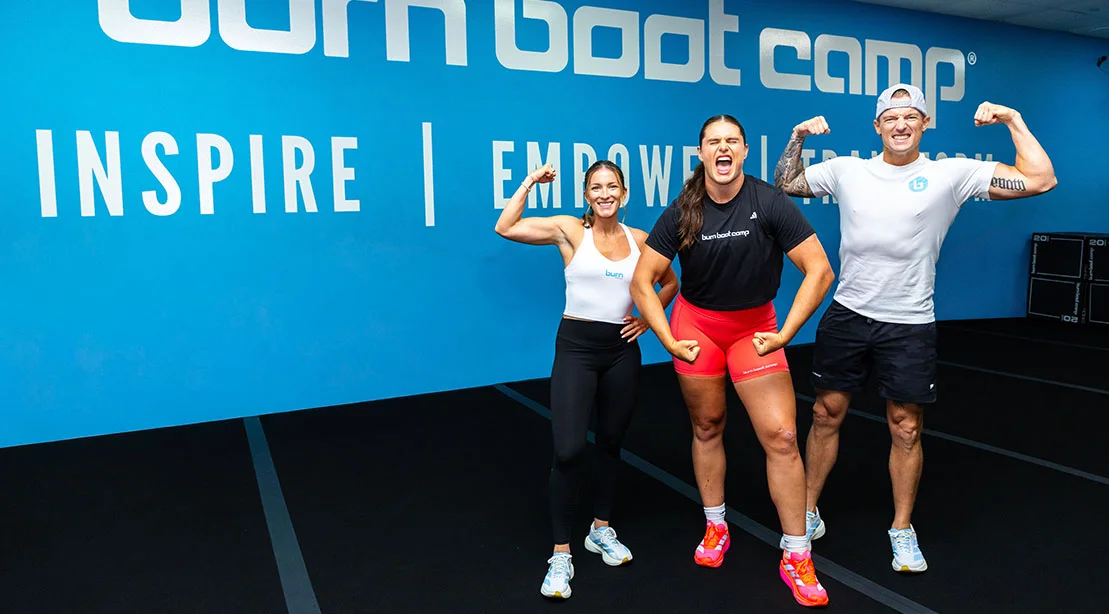
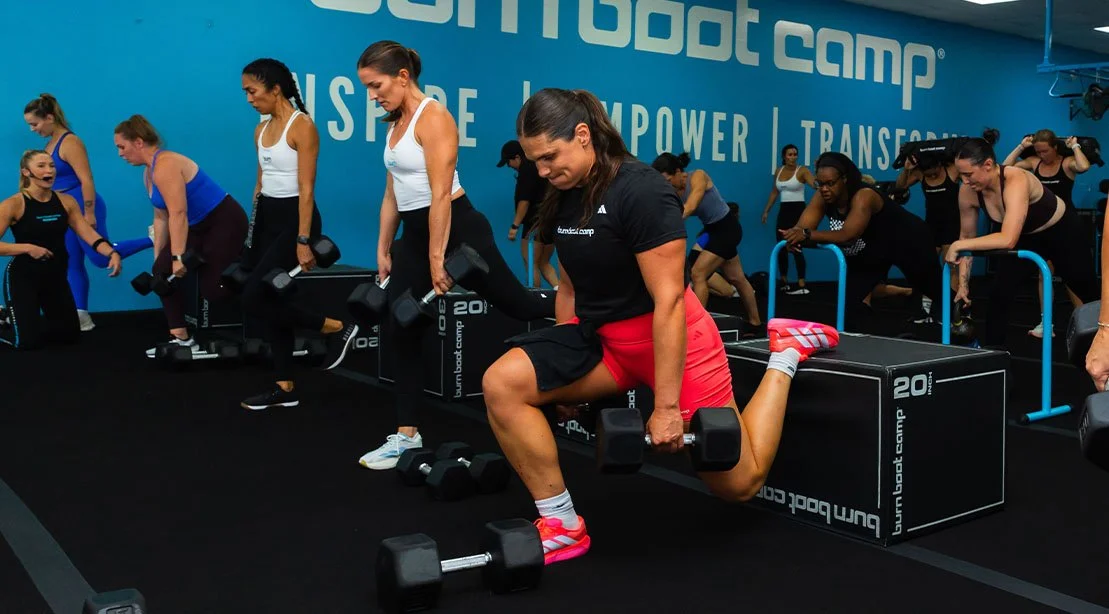
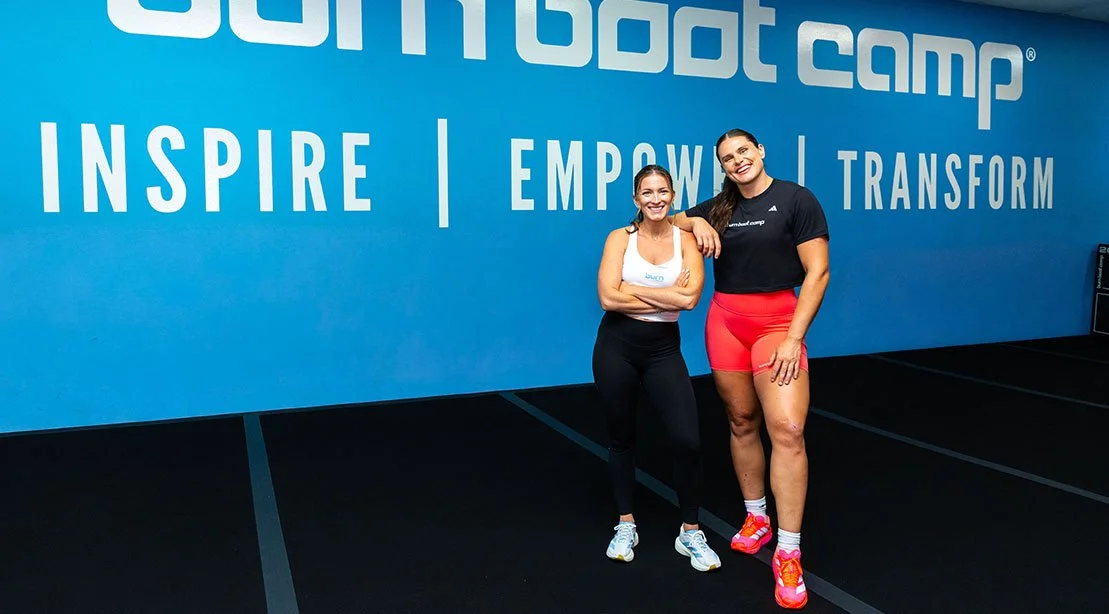
She partnered with Burn Boot Camp after seeing the energy and mutual encouragement in its 45-minute high-intensity classes. Maher said the participants welcomed one another and celebrated getting stronger. For her, that sense of community matched the kind of environment she wants to encourage. Her partnership is a personal account and an endorsement; it doesn’t establish that a particular class format suits everyone.
People considering a new exercise routine can look for an approach that feels manageable and supportive, and seek advice from a health professional if they have a health condition, pain or questions about what activity is appropriate for them. Maher’s story may help make strength training feel more approachable, but her elite schedule reflects the demands of professional rugby. As she prepares for 2028, the practical test for rugby will be whether new fans can find and follow the game, while her own example continues to show that strength and team commitment can coexist with a life beyond the field.