Prescott Junior High’s Physical Education Program Builds Fitness and School Pride
A decades-old points system challenges Prescott students to build strength and endurance, while teachers say its influence lasts beyond junior high.
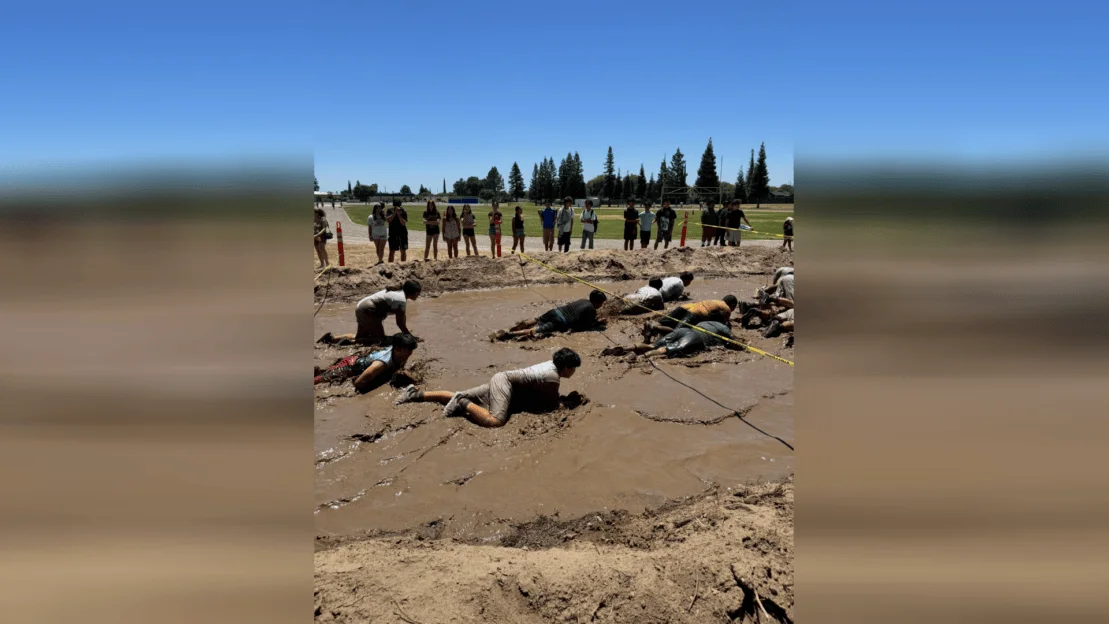
At Prescott Junior High in Modesto, California, physical education is built around a demanding idea: students can work toward difficult goals when progress is visible and the challenge keeps rising. Teachers Jason Avelar and Garrett Beal help carry on a program that has shaped students and families in the community for generations.
The school’s approach has roots in a physical education model developed at La Sierra High School in the 1960s. In 1973, Prescott teacher Mark Wilson watched a demonstration of an intense, fitness-centered curriculum and adapted the idea for his students. The program has since developed its own milestones, traditions and recognition system.
A system that makes progress visible
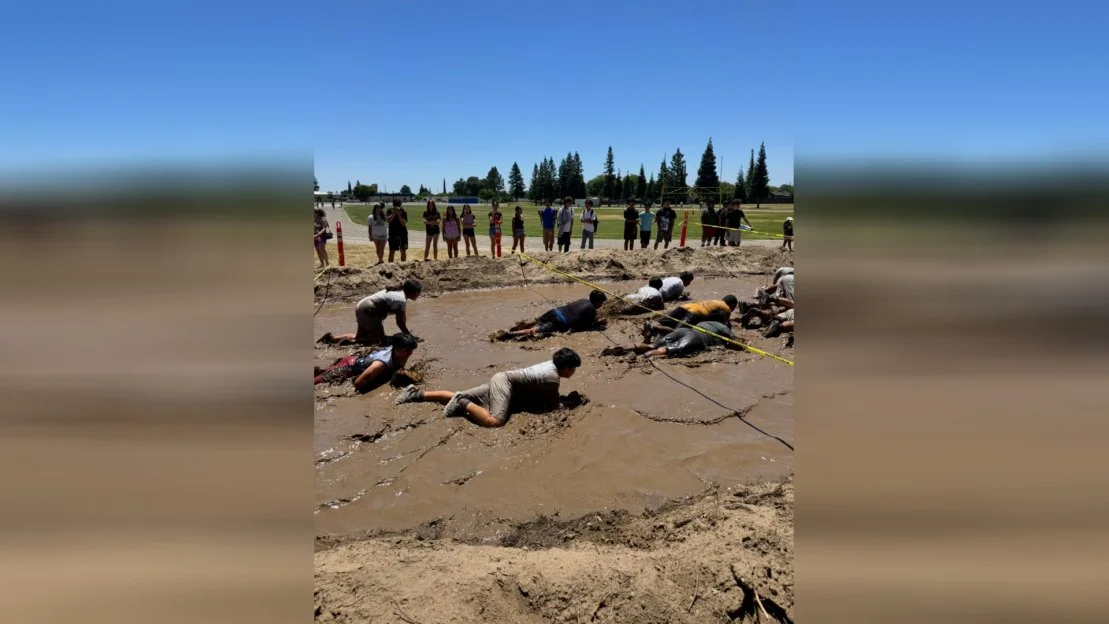
Students begin with white trunks and no points. The program includes 20 fitness tests, with each performance earning one, two or four points. At 60 points, a student reaches the red-trunk level. The score then resets, and the next stage brings harder challenges. Earning 60 points again leads to blue trunks, with gold and purple levels recognizing further achievement.
The reset is part of the design: students have to meet new demands to advance. Avelar says the tests become especially challenging at the higher levels. The program also has a physical education Hall of Fame. When one student surpassed the purple-trunk level ahead of the existing scale, the teachers created a custom milestone: students who reach that point can choose their own trunks.
This structure gives students several ways to see their effort add up. A color level marks a new stage, while the point system provides smaller signs of progress along the way. The expectations are high, but Avelar and Beal say that the challenge can still matter for students who don't reach every milestone. Their view is that aiming high may help students get closer to a goal than they otherwise would.
Teachers shaped by fitness
Beal's interest in strength training began through wrestling. He played sports as a child, but it was a high school wrestling coach who introduced him to weight training. He recalls that wrestling was the first sport where he saw a clear connection between strength and performance, and says that discovery deepened his interest in fitness.
Avelar found weight training through high school football. Playing linebacker also gave him opportunities to lead, and coaches and teachers encouraged him to consider teaching. Their paths into physical education differed, but both now describe their own health habits as part of setting an example for students.
The program's history is visible in the people around it. Some Prescott teachers attended the school themselves, and the current teachers say residents often stop Beal when they see him wearing a Prescott shirt. One conversation connected a book-club acquaintance to a family name on the Hall of Fame wall: the person recognized the name as belonging to his grandmother.
Achievements, and what they can tell us
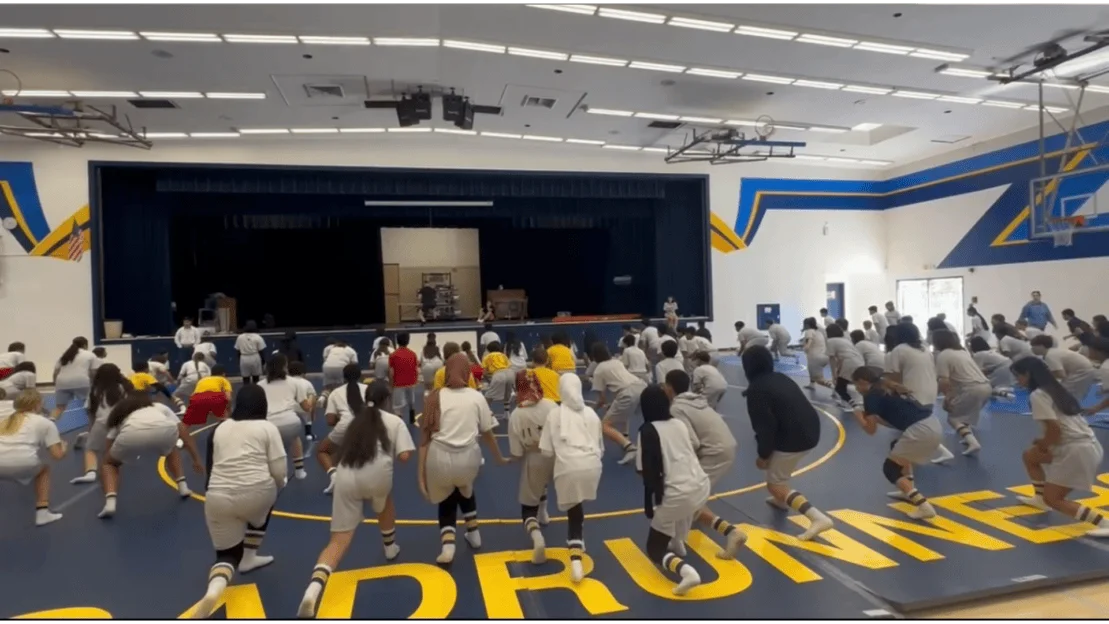
The article describes some striking student performances: one student ran two miles in 12 minutes and 27 seconds, another completed more than 6,000 consecutive sit-ups, and several students reportedly performed more than 1,000 pushups without stopping. These are examples from the program, not results from a formal study. They don't establish what students generally achieve, or show that the same outcomes would follow from adopting this approach elsewhere.
What the teachers emphasize is the program's effect beyond a set of test results. They say students who move on from Prescott often continue pursuing fitness, even when their later physical education classes are less intense. Some students, they add, only recognize the school's distinct culture after leaving. Avelar says seeing students meet personal goals, attempt unfamiliar tasks and feel excited by their own progress is a central part of why he teaches.
That account points to an important distinction: a school can make effort and achievement part of its culture, while students still vary in ability, health and experience. The source doesn't describe how the school adjusts activities for individual needs or how it evaluates injury risk. For families and educators considering similar programs, those details would help explain how demanding fitness goals can be adapted to different students.
What may come next
Avelar and Beal welcomed renewed attention to school fitness and hope it encourages more physical education programs to give students ways to participate, work as a team and take on meaningful challenges. The school has not shared a formal evaluation of its program, and the article gives no count of how many schools may take part in the related innovation challenge. Its account is best read as a description of one school's long-running approach, supported by teacher observations and individual student examples.
Prescott's story suggests that fitness education can become part of a school's identity when students have clear goals and recognition for their progress. The useful question for other programs is how to preserve that sense of challenge while making participation appropriate for the students in front of them.
More information about the fitness initiative is available at fitness.gov. Prescott's program shares updates on Instagram at @prescott_standard.