Chia Seed Water: Fiber Benefits, Nutrition and Safety Considerations
Chia seed water adds fiber and fluid, but its effects vary. Learn about its nutrition, possible benefits and precautions around digestion and medications.
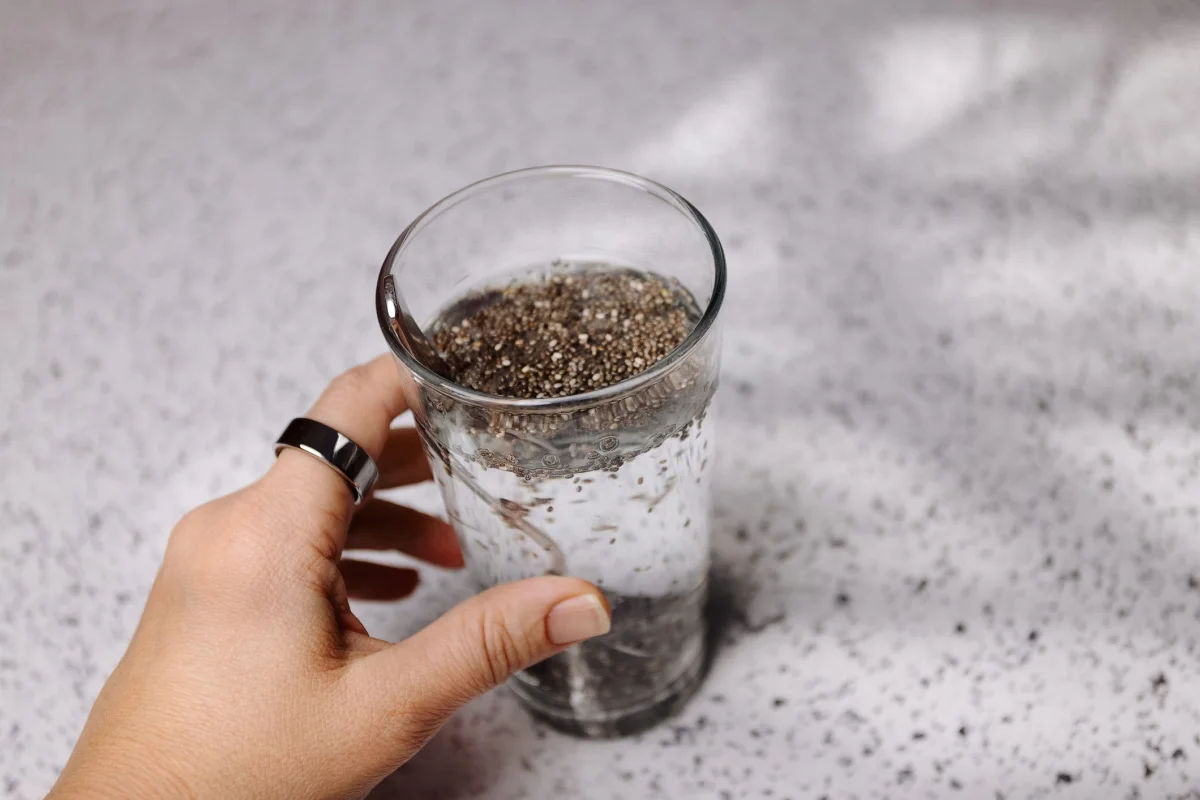
Chia seed water offers a simple way to add fiber and fluid to a snack or meal routine. Its main appeal is practical: chia seeds are rich in fiber, easy to mix with water and portable. But the drink’s effects depend on the person, the amount used and how much water accompanies it. Dietitians also flag digestive discomfort, choking risk if seeds aren’t soaked, and possible interactions with some medications.

The drink has gained attention online, though dietitians have recommended it for years. Jessica Cording, a registered dietitian and author, says she often suggests it to clients and drinks it herself, particularly while traveling. That convenience can help when fiber rich foods are harder to find, but chia seed water isn’t a replacement for varied meals or individualized care.
What’s in a serving
Chia seed water is made by mixing chia seeds with water and allowing the seeds to absorb liquid. For a serving containing one ounce of chia seeds, about 2.5 tablespoons, the article’s cited USDA nutrient data lists 138 calories, 4.7 grams of protein, 8.7 grams of fat, 9.8 grams of fiber and 11.9 grams of carbohydrates. The amount of each nutrient changes with the quantity of seeds used.
Fiber is the standout nutrient, but chia seeds also provide plant based omega 3 fatty acids, calcium and potassium. Dietitian Sonya Angelone says a serving’s calcium is comparable to that in a small glass of milk, while its potassium is comparable to that in a small banana. Chia seeds also contain antioxidants, including chlorogenic acid, caffeic acid and quercetin, according to dietitian Keri Gans.
What the fiber may do
For people who find it easier to drink some of their fiber, chia seed water can be a convenient addition. Many people don’t reach the recommended daily intake of fiber; the source cites a target of at least 25 grams. Dietitian Jessica Cording says the drink can be especially handy when traveling or when food choices are limited. It’s one way to add fiber, alongside other sources such as vegetables, fruit, beans and whole grains.
Chia’s fiber and ability to absorb water may also help with bowel regularity. Lindsay Malone, a registered dietitian and nutrition instructor at Case Western Reserve University, describes the seeds as a potential bowel regulator. Fiber may help some people with occasional constipation and may also help regulate looser stools. Responses vary, though: Cording notes that some people may need to use the bathroom soon after drinking it, while others notice little immediate change.
That variability matters. A person with ongoing digestive symptoms may need advice tailored to their health and diet. A doctor or registered dietitian can help assess whether increasing fiber makes sense. Drinking enough fluid is also relevant, since chia seeds absorb water and inadequate fluid intake can contribute to constipation.

Chia seed fiber may also slow digestion, which can reduce blood sugar rises after eating, Malone says. Consistently getting enough fiber may support steadier blood sugar over time. This doesn’t establish chia seed water as a treatment for blood sugar conditions, and it can’t predict how an individual will respond. The source also notes that blood sugar changes can affect energy and food cravings; claims about mood or energy should be understood as potential effects, not guaranteed outcomes.
The combination of fiber and fluid can make the drink more filling than water alone. A serving made with an ounce of seeds contains 138 calories and nearly 10 grams of fiber, so Cording sometimes has it as a snack when traveling and food isn’t readily available. It isn’t meant to replace a meal.
The drink contributes to fluid intake, too. Seeds absorb some of the water and form a gel, but that liquid remains available to the body, Gans explains. How much fluid the drink provides depends on how much water is added.
Preparing it and using the seeds
To make chia seed water, stir one to 2.5 tablespoons of seeds into eight ounces of chilled or room temperature water. Let the mixture stand for about five minutes so the seeds can absorb liquid and form a gel, then stir and drink. Dry chia seeds can pose a choking hazard, so soaking them first is an important preparation step. The flavor is mild; a squeeze of citrus can add brightness.
People who aren’t used to much fiber can start with the smaller amount and increase gradually if they tolerate it. Malone advises raising fiber intake slowly, since an abrupt increase can cause gas or bloating. Cording suggests trying the drink for the first time when a bathroom is nearby, rather than during a long stretch of travel.
Water isn’t the only way to eat chia seeds. Dietitians suggest mixing them into yogurt, oatmeal or smoothies, or making chia pudding with milk. If the texture of whole seeds is unappealing, Malone says they can be ground in a high speed blender or coffee grinder before soaking.
Possible downsides and medication considerations
More fiber isn’t always more comfortable. A large serving, especially for someone who usually eats little fiber, may bring on gas or bloating. Gradual increases and adequate regular water can help reduce the chance of discomfort. Because the seeds absorb liquid, drinking them without enough additional fluid may also contribute to constipation.
Chia seeds contain phytic acid, a naturally occurring compound that can bind to minerals such as iron, zinc and calcium, potentially reducing how much the body absorbs. Gans raises this as a consideration for people trying to address nutritional deficiencies. Angelone suggests spacing chia seed water and supplements apart. Anyone managing a known deficiency can ask a doctor or pharmacist whether timing or dietary choices matter for their situation.
Chia seeds may also have mild effects that overlap with certain medications. Angelone says research has found they can lower blood pressure. For someone taking medication to lower blood pressure, that could add to the medication’s effect; dizziness is one symptom Angelone says to watch for. The seeds’ soluble fiber can slow carbohydrate digestion and may lower blood sugar after a meal. People taking medication to lower blood sugar may need to monitor their levels after meals containing a substantial amount of chia.
A small amount now and then is unlikely to cause a problem for most people, but someone considering daily use while taking blood pressure or blood sugar medication can check with their prescribing doctor or pharmacist. People with a gastrointestinal condition for which seeds aren’t recommended should also seek personalized guidance before trying the drink.
A practical takeaway
Chia seed water can be a convenient source of fiber and fluid, with possible benefits for fullness and bowel regularity. Its effects aren’t the same for everyone, and it doesn’t replace a varied diet. As Cording emphasizes, chia is one of many possible fiber sources. Starting with a modest amount, soaking the seeds and considering personal digestive health and medications are sensible points to discuss when deciding whether it fits a routine.